


By: IVY MG
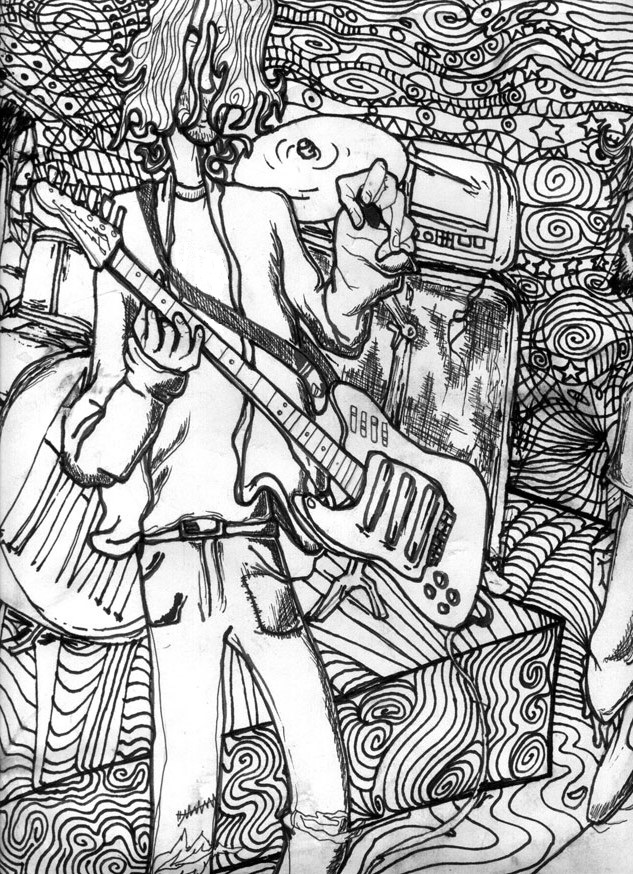
art by: Rx Z
Everyone from DIY punk bands to major music productions can now easily stage their own shows. However, it’s an entirely different thing if these shows are considered successful.
Booking shows and gigs can go either way; When it’s done right, it’s nothing short of amazing, with a show that stays forever in your brain and talked about long after.
But more often than not, it can also end up with the bands or acts playing to 4 and a half people and a dog, or worse.
These days, booking a gig or music event may seem easier given the tremendous shortcuts we can benefit from being online. The internet has brought us much convenience for helping these shows get done. It has also brought in newer crowds that may be clueless on making a well-attended show.
Taking cues at those who have done it for a while, we check a few tips that will help in making that gig a blast.
x. Proper Promotion
The 50 or so people going to that Facebook event bookmarked show may not really be there that night. Depending on the level of promoting and time to do it, it helps if we explore other ways in addition to invites off of social media, messenger, chat, email, or even SMS/MMS.
We use these online and digital methods first for speed and convenience, but if possible, we add other extra ways of promotion. Don’t be limited to social media when promoting the event.
There are many shops and places nearby where one can put up posters, hand out flyers and help get the word out to those most likely interested in checking it out. There are record stores, music shops, band rehearsal studios, bars, specialty shops, school bulletin boards, independent art galleries, and similar places where the target audience might hang out. Take advantage of this.
Physical invites (sometimes with RSVP’s) to select people who go to shows or listen to that type of music make it more special. Actual non digital flyers and posters can add to the attendance because they are different from digital intangible invites. Not to mention the type of exposure it generates is much more unique, sometimes even more attention grabbing than the usual FB event page that can easily be viewed and clicked on.
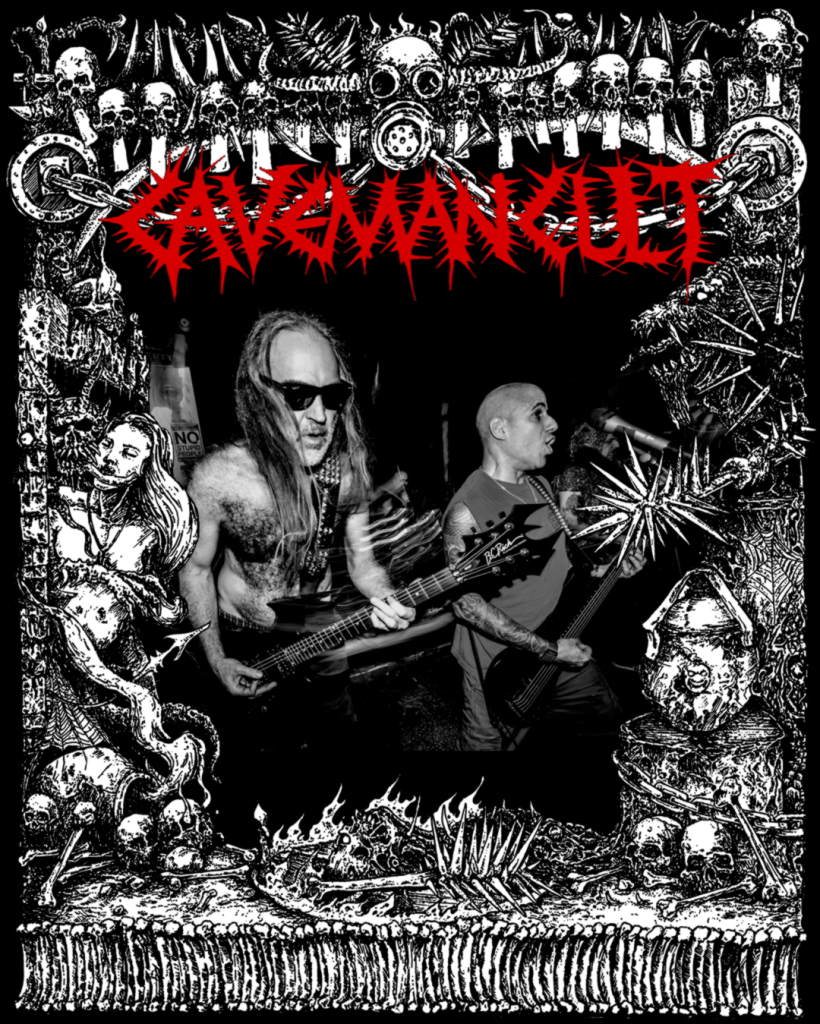
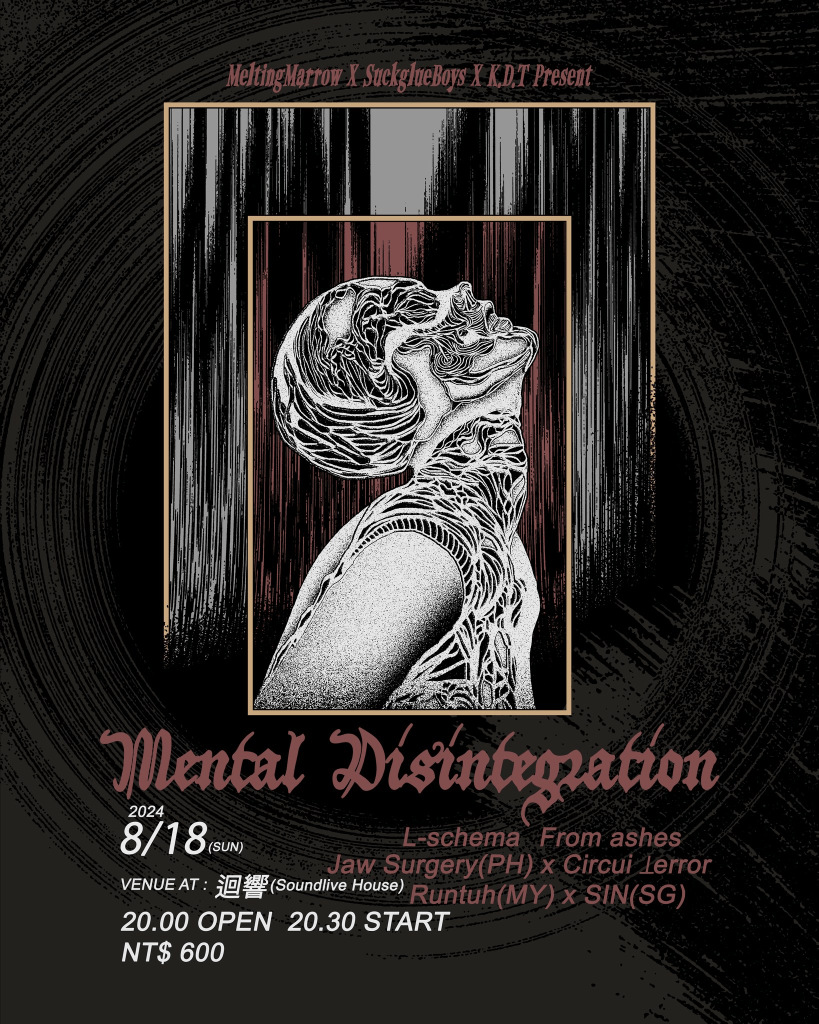
Promo materials that look good and are easy to view and read will get more attention and hype. Make sure they are attractive and are appropriate for the event. And no matter what, please do not rip off artwork from others – be original and resourceful in making your own. And more importantly, please make sure your info, band names, and other details are correct.
x. Venue Check
Know firsthand the details of the venue to be chosen and if they fit right into the gig. Is it accessible? What is the payment arrangement or deal for this kind of show? Are extra equipment needed? Is there a proper PA or sound system? Are there any fees for late finished shows or curfews, or none? What about city limits and rules (if any)? Are cops always checking on gigs?
Get in touch with the manager or booking agent and get this sorted out. And make sure everything needed by the performers and others involved (crew, sound engineers, merch people) are taken care of way ahead of time.
x. The Date
Good timing and knowing the current atmosphere for shows are both important. Having other shows at the same event date may spoil the fun and grab audience members. Locally, it happens, when one good show is challenged by another after the date was already announced. This is one of the more uncontrollable elements of booking gigs.
It would help if one puts out the date ahead of time when no one else owns it. Then build on it and get some hype out before anyone else claims the date. Putting it out there without early competition may help deter other gigs or shows on that date, but that’s not guaranteed.
Focus on the gig you organised. If it seems more fun, has more killer acts or bands, and has a certain feel, it will still attract the right crowd and get equal support. It is very important to put on quality and well thought out shows that people will check out. Having some qualified music fans and organisers give out suggestions and recommendations will help, especially those whose ears are tuned in to the local music scene.

x. The Gig and its details
The type of show one organises could be a major show or a small fun event or gig. Be realistic with what you want to accomplish and do a short list of what would be needed, and have a rough fund to start with. Major shows that involve a big front act with support acts will involve bigger funding and a deal with the main act and / or their managers.
For bigger shows, sometimes sponsorships will be there to handle some of the funding, but only for the more commercial ones. Promotion will also be a little more tedious, but this would guarantee a decent turnout and enough sales to pay everyone, cover all expenses, and earn decently as well. So pay close attention to the details, and the average door price that will cover everything at the end.
Smaller DIY and indie shows usually shoot for just breaking even, or sometimes just for the good times, as there is no pressure to bring in the bucks. Even at that, we should bring in a little more effort to get more people in and get a successful DIY show done. It helps the music community and helps get more gigs in the future, as well as a regular following. People come back if the show was good and good times were had.
With regards to performers, often, the lineup can be a number of related or somehow related acts or bands but as much as possible, keep it to a minimum lineup where everyone has enough time in between, and has enough time to play onstage with the agreed length of their set. It also makes a more interesting show if we combine performers that can be musically related, or contrasting, depending on the type of show or theme.
Newer show organisers who insist on cramming 25 or more bands or acts (especially newer rock and metal promoters) are kind of shooting themselves in the foot by haphazardly getting all crammed in 20 or so minutes each. No Bueno. Prioritise quality over quantity. For example, if you have 8 or fewer performers, there’s enough time in between, not to mention a longer set for each band. That makes it more effective to get to know a band, singer, or performer much better than a hurried and tense 20 minutes onstage.
x. Take care of your bands and crew
For those who engage in major shows with sponsors, that’s a different level that needs experienced help and management. But for those that are in smaller operations, careful planning, careful choosing of acts, planning ahead, and making realistic calculations will help get the show more organised. You and your team have to work closely together and handle all aspects of the show.
Planning and teamwork helps get the stress off of the performers and the audience, and allows for a smoother flow by show time, which is already a great help and relief. Making sure your performers don’t have to worry about anything frees them to focus on putting on a good show which translates to a good time for all, including you and your team who worked on this together.
Make sure to make a fair deal between the bar and the band/s. Complimentary food and drink tickets for bands are great and venues must not be cutting in on merch sales. Make sure to set aside enough cash for bands if possible. If it’s a small DIY gig with no expectations of earnings to share between bands, consider it a house party with friends and some killer music.
Most likely, you would have the same people in your team, and repeat bookings with some of the bands or acts you’ve worked with. This will also put a good word out if you are a regular or semi-regular organiser or promoter. Whatever comes next in the future, it will surely be coming from a good foundation and a good reputation.


 Towards Harmonious Civilization Zine
Leave a comment