



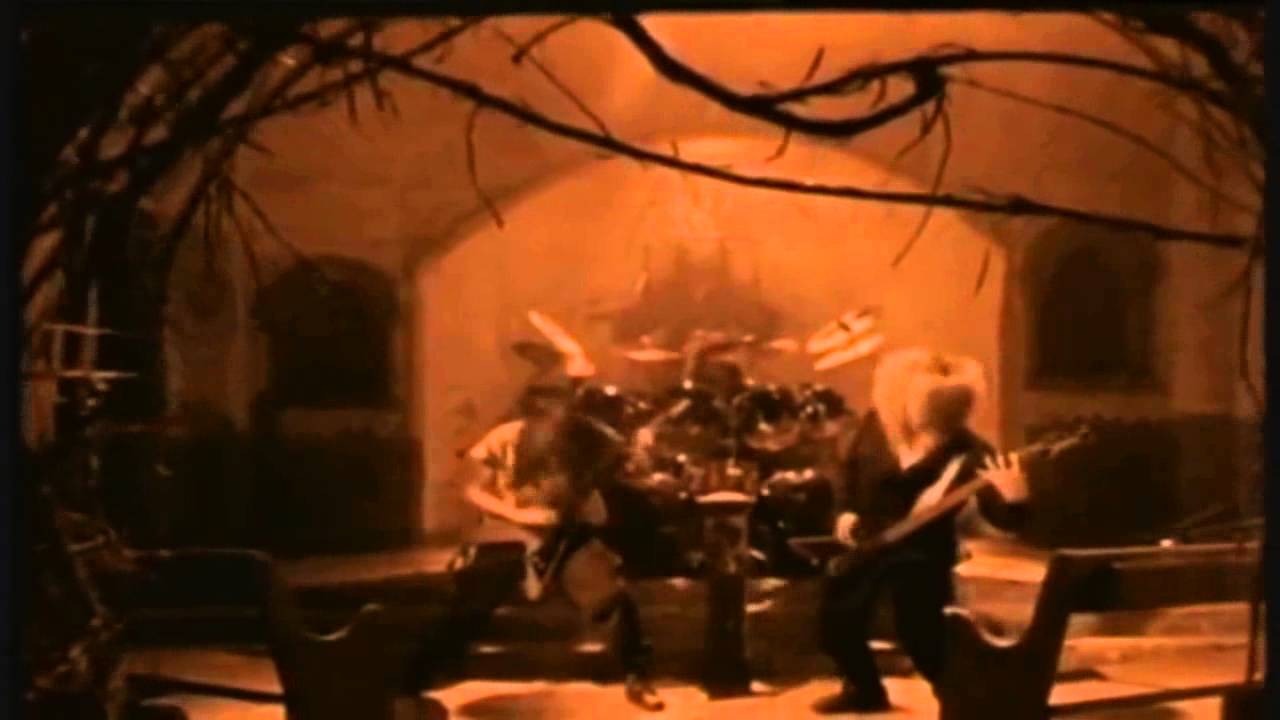
(Morbid Angel, “Rapture” music video)
By: Ivy MG
choice video selections by: R Ibanez
Musicians and artists have a complex relationship with music videos. This includes its creation and how it is used. Videography in music matters in different ways. We can gauge this by how videos mean to a band. Others couldn’t give a damn less, while others prioritise making them. It is the purpose and content that defines them.
What does the band want to achieve with it? Is it a record label thing to get promotion done? Or is it an artistic statement to accompany a song, usually a single, lead off track, or the most popular tune? It could it also be a way to monetise or for other commercial purposes.
Videos and all forms of Multimedia are a huge part of our online culture today. And the format has definitely changed over the years. Due to this, music videos are more multi-faceted than before, and can serve different purposes.
It has also become in demand online material (sometimes going viral), and can be viewed in other formats without needing to stick to schedules on regular TV. Anyone from around the globe can access it immediately. And more often than not, censorship isn’t a huge issue because no TV station is involved to police the artist’s vision.
Videos can also be as viral as that weird footage or news bit spread on social media. Today, online viral posts of the latest band or artist music videos, or live performances of music and other forms of live entertainment are big, and each has their own use, purpose and motive behind it.
Videos as Art vs. Videos as money making tool
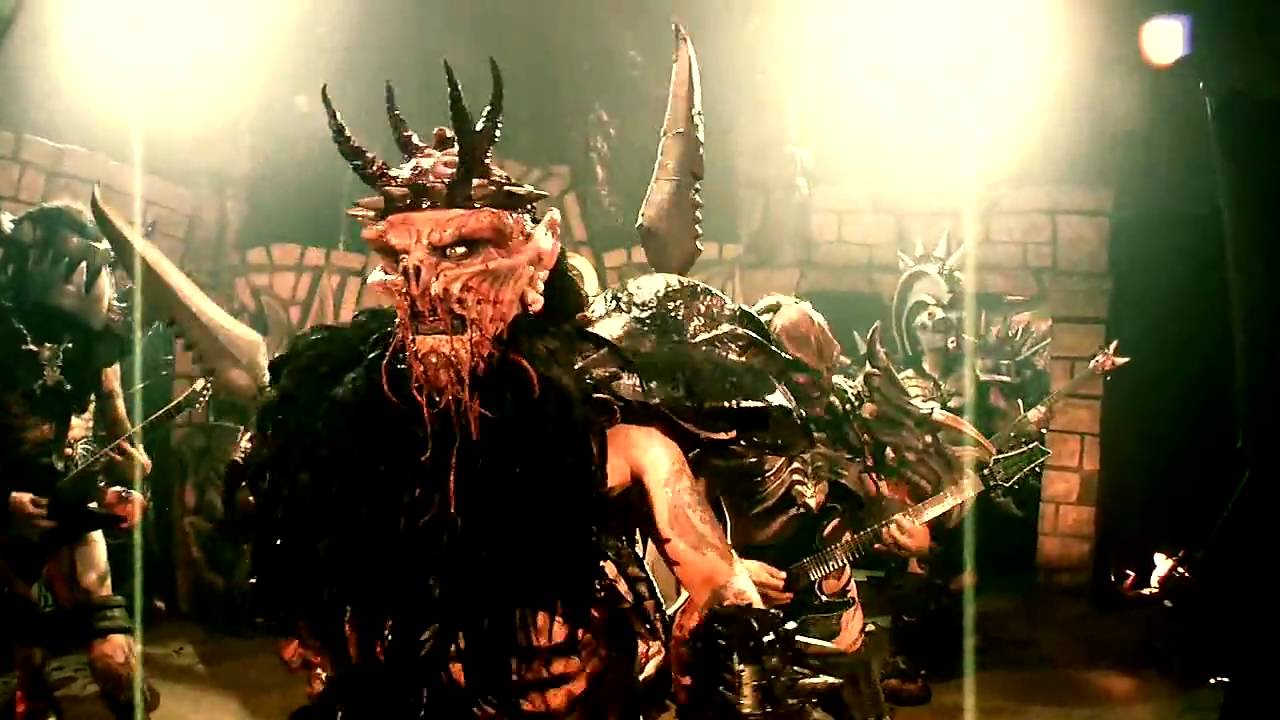
Barring live footage posted from and on the ‘Net, most videos are crafted and band directed with some purpose and quality. Others are collaborations with their chosen directors, or one that was referred to by the label or producers.
When making one, it makes sense to check what direction it is headed. This is in order to list things needed for that specific purpose and do good on the project. There are also monetary aspects involved, especially in light of the whole YouTube phenomenon and making money off content and advertising.
There are three main things to consider when talking music videography and multimedia from music: to make money from plays and / or advertising, to use it for promotion and accompaniment to a chosen song or hit single , or as a pure artistic statement with commercialisation not as a priority.
The first two have commercial purposes, with the first being the most direct and with more intensive work needed. The third one is purely to express a visual side to the music, either as a whole, or for specific chosen songs.
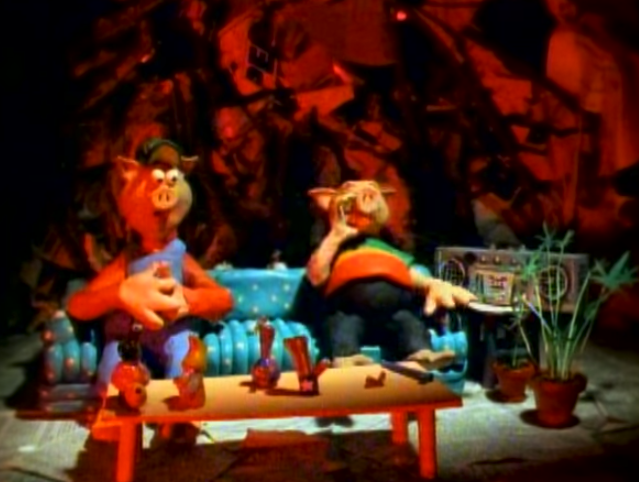
(Green Jello, “Three Little Pigs”)
One thing we can safely consider for making band or artist revenue through their music video, falls into three more categories: using the music for other money making applications such as background or theme music, for something that is not directly related to the music or musicians and artists, but is an altogether different format, such as movie related music clips, promotional videos of other visual applications, and last, for use with advertising and hit-related plays.
A big plus is taking advantage of online plays, as this does not limit the time schedule, country, and ability to view repeatedly at any given time; these are major advantages over other forms of media where the video is accessible.
Commercialisation / Selling Out?
The first two categories (active) usually involve someone from outside the band’s or artists’ circle. It is a commercial collaboration of sorts wherein the music is used with visual representation to sell and advertise using the multimedia format. Often, this comes in the form of music appearing in an unrelated format to help enhance the visuals, whether it is related to it or not.
Formats such as commercial jingles and / or theme music, election campaign jingles, product endorsements, clips that announce an event, sale, product, service, or anything commercial in nature are considered part of this work. Money made is direct and made with some sort of contract or agreement between the organisation and the artists, or sometimes, as part of a record label contract agreement.
For many, music used for these outside purposes may include other clauses and conditions, but all of these involve using the piece or whole song in exchange for cash and possibly endorsements and sponsorships. The product or service being sold is to be attached to the mood, image, and feel of the song.
Commercialisation of the video may also be a direct form of endorsement from the band or artist. Unless the artist or band shows up personally on the material or the ads, or does a personal paid endorsement, it will be considered indirect. Often, these kinds of deals are either thought of as clever use of the music, or in some underground circles, selling out. Most especially if it goes against what the band or artist stands for.
Show Me the Money (Via Video)

(Stone Temple Pilots, “Big Bang Baby”)
In other forms, the proliferation of the music video is the one that actually creates revenue. These days, viral propagation, and proper set up with Youtube and search engines can make it work. Most of the money comes from number based hits and plays, especially huge bulk plays and views / shares, followed by advertising related plays and hits (both considered as passive).
For musicians and artists that shun commercial use of their music, but are interested in making money off their work, this is an alternative path without that level of involvement, or that dirty word again, selling out. It will still be in their terms.
Nevertheless, there are two ways to generate revenue from this. Creating enough plays (hits) for the website from the associated video is one way. The other is through embedding ads, or putting ads and other related ads next to the video. This method counts advertising from the number plays, whenever it is accessed, or linked from another site, or used as content on another site.
Another way doesn’t necessarily have to involve your own music videos. It could be made from third party links especially on YouTube. Live shows, uploaded albums, uploaded singles, or EP’s, when properly tagged to the artist by the uploader, can generate money for them without their direct involvement.
An artist or band ID of sorts will be assigned to an artist or band, and the cumulative plays and hits that are generated in their name (or to the ID rather) will be the basis of making revenue from the videos – the number of plays as well as the ad revenue from visits and linking. These types make money but not as much as the more direct methods.
Express Yourself
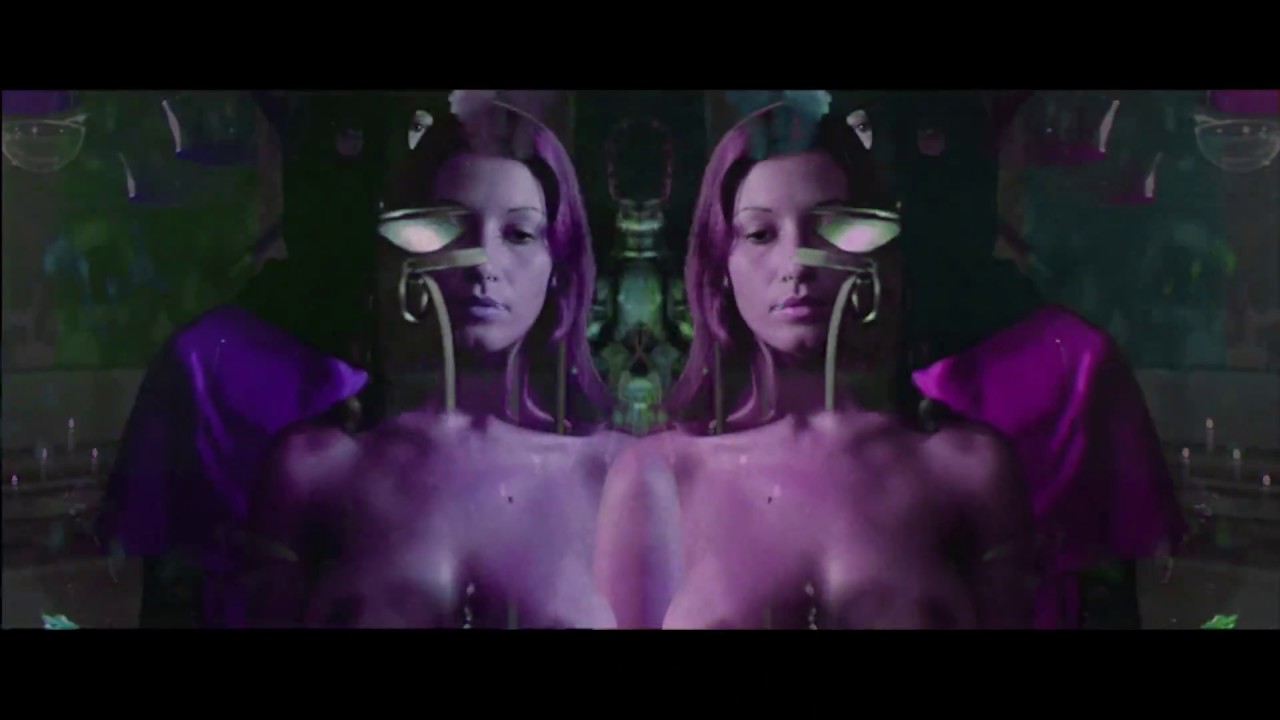
(Electric Wizard, “Wicked Caresses”)
Creating music videos for its original purposes, i.e. to show a visual accompaniment or representation of the song involves different elements altogether. It is for viewing purposes first of all, and with a certain level of artistic expression and creativity from the songwriters and performers. Any monetary use and results are secondary and are later effects.
Often, making music videos this way is more of an artistic statement of the band, and sometimes as part promotional tool where the music creators have some sort of say to the content and presentation, unless it is totally made by the record label or management. The promotion part is almost always attached to the way it is used and in which channels after it is released.
Often, record labels from major to indie and the DIY ones will use videos to promote new releases, and will use certain channels. These depend on the level of commercial appeal intended. It can be played regularly on MTV, local music video channels, online playlists, social media platforms, internet TV and other avenues of playing.
They later become semi-regular content based on their category and replay value. Some will also end up in collected music videography, either as playable bonus content on physical media (CDs, enhanced CDs, video compilations) or as standalone releases (DVD’s, DVD videography collections, etc.)

Music Videos can be as legendary as those in MTV Headbanger’s Ball, 120 Minutes and Alternative Nation, or even in Beavis and Butthead, and MTV Oddities. It can be almost signature style, like those exemplified by Taylor Swift, Ke$ha, Ariana Grande, Justin Timberlake, or even Electric Wizard, Down, Deftones, or Fu Manchu for that matter; as all these feature something unmistakably “trademark” from that artist or band. It is something that is expected from them by their followers.
Sometimes it defines them once, or several times over the course of their videography. One example are the videography of Eraserheads and Rivermaya, which show the growth and changes of the band over the course of their career. It can be a viral thing that is part of their new record, ala the recent Radiohead video.
Some can be used as a great introduction for a new or (re-emerging) artist or to produce much hype or viral talk. Others are more commercial, tied in to a movie soundtrack, event, product, or brand, and will live on long after the commercial campaign is done. As always, after the self-gratification, artistic, and creative elements are take care of, and the screenings are done, then comes its second hand applications.

(Fu Manchu, “Clone of the Universe” lyric video)
Music videos can be used to promote a new record, a new single, or as a collaboration with a long time director or producer. Sometimes it is a part of a bigger project, or as a one off creative pursuit. All other creative and artistic purposes are often with no regard for any commercial gain.
This gives the band or artists more freedom, and is directly proportional to the content. But whether the video is geared towards these purposes, they will still have a life of their own long after.
A few minor ways of making money from this music video is in the aforementioned actual sales and distribution later. This is for both single form video and the physical formats where the video and possibly other videos are collected for personal viewing and home entertainment.
Other ways are when they are included in circulation on broadcasting formats that involve large scale advertising (TV, playlist type shows in stations, cable TV, and online sources) but where the content is chosen and programmed by the show owners and not the advertising elements.



 Towards Harmonious Civilization Zine
Leave a comment