


by: COMMANDER ENTERPRISE

In 1992, US Vice President Al Gore was the main man who spearheaded the development of the Information Superhighway. It promised to bring the future of telecommunications to everyone with a computer, connecting them to a global network that would soon become what we now know today as the Internet. A bill that he presented (High Performance Computing and Communication Act of 1991 AKA the Gore Bill) that was passed the year prior had made it possible to launch what would become the biggest information network of all time.
Those who were lucky (?) and not to mention old enough (ha) to remember those historic times surely have some stories about what the World Wide Web felt and looked like back in the day – a quick glance at some older pages over the Internet Archive should give everyone an idea.
1992 feels like a lifetime ago when things such as Netscape, Dial-up, Bill Clinton, “grunge”, MTV, cassettes, and floppy disks (Free AOL floppy diskettes and CDs!) existed and Internet content was in their beginning stages. Hey, we all had to start from somewhere.
Here are five things in the early days that revolutionised a lot of the things we use today. And some of them are still around too:

5. Old school social media – Myspace, Friendster, Diaryland, Livejournal and etc. – before Facebook, Instagram, and Twitter all monopolised the social media landscape, it was a free-for-all social media world out there. This was in the early 2000 era even before major social media networks were established. The aforementioned independents, along with the likes of short-lived (but notorious in their own right) social webpages such as Fotki, Hi5, and MakeoutClub, were the rage among younger online users. Each had its own unique take on social networks, presentation, and global reach. Some used it for dating, others for networking and for keeping in touch.
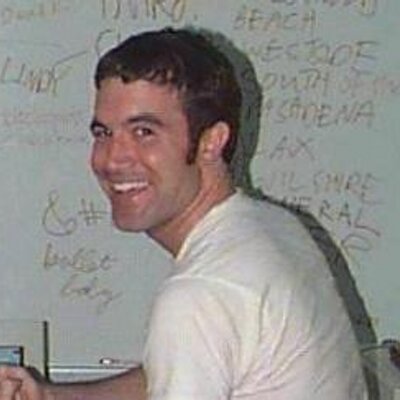
However, due to the number of these sites, ever-changing trends, and advances in design, networking, content, and mass appeal, most of them folded. Although Myspace and Friendster took control and dominated around the early to late millennia period, none of them had the marketing, strategy, interconnected content, and even wider network of Facebook, which started as a local college social network system and expanded into the leader that it is known for today.

4. MIRC – 1995 saw the launch of the widely used and popular Internet Relay Chat client which was created for the early version of Windows. This program paved the way for global online communication, group communication through chatrooms, and the earliest version of file sharing, although the program wasn’t designed for such purposes. In a way, it was both a well-scripted communication app and a filesharing program in one, before filesharing became a huge hit worldwide. Despite no longer being used by almost everyone, the mIRC program still stands strong today, with over 40 Million downloads, and is regarded as one of the top ten most popular apps online.

3. Kazaa /Audiogalaxy/Soulseek/LimeWire/iMesh and other independent peer-to-peer apps – After the Y2K bug scare at the turn of the millennium, Peer to Peer apps for filesharing became huge. Before the downfall of Napster, and the creation of paid music downloads, these once-popular peer-to-peer apps supplied music, multimedia, and files in an extensive network all over the world. It also started the world of peer-to-peer file sharing until the final days of Napster, which became the biggest P2P app to get the attention of anti-filesharing artists and record companies.
Their names might sound like reject names for experimental apps that were never released, but in their heyday, they walked the halls of the internet with their heads held up high, with connections to many worldwide users, providing an incredible database of music, multimedia, and numerous other files.
These apps were also the first to allow P2P private messages, shared folder viewing, file lookup searching, and of course some early malware and virus implanting activity because of some security loopholes. But the selection of popular, hard-to-find, and obscure files and music during their times was outstanding. Today, most peer-to-peer downloading is facilitated by BitTorrent and other popular torrent apps, although a number of newer P2P apps have surfaced since.
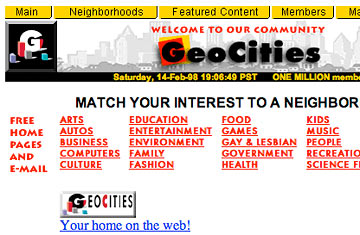
2. Instant webpage sites: Geocities/Talkcity/Angelfire and others – creating free and instant webpages these days is much easier, and much more dynamic, compared to the first wave of instant free webpages supplied by the likes of Geocities (RIP), Angelfire (RIP) and many others. They were the first training grounds for everyone, from a high school student’s first personal webpage to a company’s first professional website. While many of these sites brought out the worst in layouts, overloaded .gif images, and huge bold flashing or marquee letters that can cause eye strain, remember that browser technology back then was super limited and people online made use of what they had.
While sites like Talkcity integrated chatrooms with pre-made website templates, their types quickly folded when numerous other free instant sites went up and people started using user-friendly apps such as Macromedia Dreamweaver. Today, creating instant websites is easier; there are also several easy-to-use tutorials for HTML apps, giving non-professional site creators even wider options and more dynamic content, along with the usual free instant webpage sites to use, most of which can be easily customised.
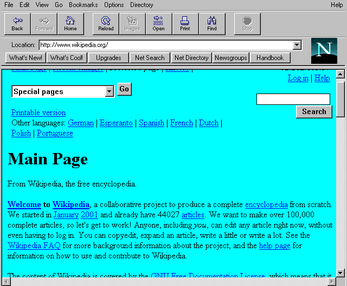
1. Netscape – To everyone who remembers using the Holy Grail of web browsers (props to the few elite old schoolers who know what Mosaic is!) Thank heavens for Mozilla, Google Chrome, Safari, Opera, and even Internet Explorer these days. Not to take away anything from Netscape, but for those who were there in the Net’s beginnings meant browsing through 56k speeds and huge-layout pages slowly loading on a huge format, bulky computer screen.
But for being the first web browser to be widely used it also meant good (albeit weird) times too. People were still figuring out how to present dynamic content on a basic 56k modem and a basic Mac or personal computer, so all the baby steps of web design were open for all to see.
Back then, the Internet was a strange new place to get acquainted with, replete with oddball layouts and simplistic graphics (so many .gifs) that looked like a super low-budget, homemade George Lucas film experiment on acid. And some of these were official web pages of companies even. Some of the other Internet sites and programs however had sound advice (and bigger budgets) on how to properly present themselves on the World Wide Web, and thankfully, tasteful web design followed.



 Towards Harmonious Civilization Zine
Leave a comment