


by: Unkle F7
For many smartphone and tablet users, playing music and multimedia has always been a given. It’s inherent to their nature and having one without any outlets for music and sound instantly renders it useless in the market, if there’s even one. It’s usually a common dealbreaker for these two cousin gadgets and is actually one of its main selling points.
Companies and manufacturers have made it clear in their web pages and press releases how a device has stereo speakers, improved audio, or a number of “these digital audio formats are compatible and playable on this phone/tablet unlike the others!” feelers to emphasise their (supposed) digital high-fidelity.
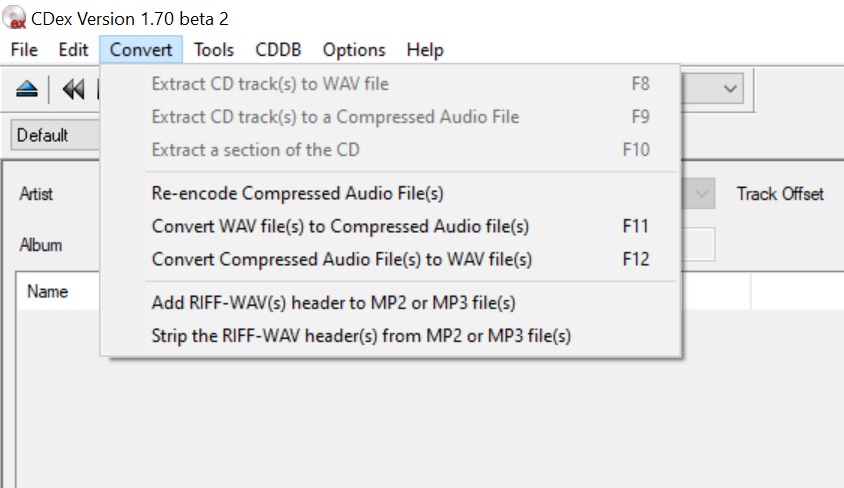
But really, does anyone even care about hi-fi sound in the digital format? For most people, as long as it sounds good and can be taken anywhere, it’s not a problem and is actually a great advantage. But digital audio does have levels and formats, for it is a digital version of the original sound or recording, analogue or not. It is a file trying its best to recreate the original sound, and it also has its own traits, advantages, and disadvantages. Analogue warriors of sound can step down and take the next plane to analogue high-fidelity land at this point.
Three digital audio formats to choose from
While the digital sound quality is a completely different world to analogue, it does have levels of fidelity, actual quality, and compression. Often, these are identified by the actual sound and music file formats – those we see listed on the smartphone and tablet sites and manuals. There are three types or even levels of audio files, each with distinct characteristics and roles: Uncompressed, Lossless, and Compressed audio.

Uncompressed audio is the raw sound file unaltered and directly made from an actual recording or a rip of an audio source. All the best and present qualities of the original recording remain intact here, as well as the balance of sound with absolutely no compression.
Often, this format is the one used for digital recordings, original master files for albums, direct copies, or rips from the original audio source, and is limited to file extension formats like WAV, AIFF, AU, RAW, or LPCM. And due to this, the file is usually bigger, as it contains more information and details, and remains the most faithful in sound fidelity.
Lossless is smaller in file size and is a compressed audio format that very closely resembles the Uncompressed audio. All the details remain intact and complete while occupying less storage and still sounding as close as possible to the original.
Usually, these are the more common, high-end files used as accompanying downloads, as uncompressed digital versions of albums offered on vinyl and CDs. They’re usually in file extension formats such as FLAC, ALAC, MP4 SLS, MP4 ALS, MP4 DST, Windows Media Audio (Lossless), APE, and others.
Compressed audio is the most common and lowest-fidelity, lowest-quality sound file available, not to mention smallest in file size, perfect for most smartphones, tablets, and common portable digital audio and multimedia players. The popular MP3 and lossy WMA version are two of the most common types.
The compression that the original audio is subjected to compensates for the level of quality in favor of file size and convenience, and the difference is noticeable in terms of detail, volume, and overall sound quality, as many audio details are lost or turned down, with less clarity and depth.
However, it isn’t really noticeable to most, as most of the time, its convenience and portability have become a priority. Sound quality may not be terrible at times, but at best, is passable and not too noticeable (not for trained ears, though).
A word on analogue and audiophiles
‘Quality digital sound reproduction’ might be a moot point for the “true” audiophiles out there (who might also think of it as oxymoronic) who strongly argue the virtues of analogue sound systems as the only the true way to listen to music, which is the truth.

However, often this listening format demands focused, stationary listening at home or in the privacy of a room, impressive (or good enough) stereo equipment and actual, physical copies of the music medium (limited to the unholy trinity of CDs, vinyl, and god forbid, cassettes, which are actually still in demand), and these three things cannot be conveniently enjoyed in today’s hectic and digital-paced world.
People listen to music on the way to work, while working on something, during lunch or a break/cigarette break. They listen while on a commute, riding a bike, taking walks or jogs hanging out looking at the stars, or at the rooftop or balcony while reminiscing… and so many other settings.

There are many more situations, and often they don’t have the luxury of what we earlier called convenient, stationary listening and the things involved in it. But digital audio easily fulfills those needs, no drama.
Why not enjoy the best of both worlds and take each for what it is? That might be the argument when presented with these two formats. More often than not, even “convenient stationary listening” doesn’t really involve the older format of stereos and physical mediums anymore.
True audio quality is compensated more or less, for better or worse for convenience and portability. We’ll often find smartphones, tablets, and computers hooked up to various Bluetooth speakers or digital stereo systems commonly used for computers, or headphones and headsets. There will always be time for music on a “true” audio set-up and one that can be played on a portable device at any time, any place. It just depends on the situation and preference, at that time, living in the moment.

No one might even care too much because of the “being-in-the-now” factor of enjoying music, and almost no one will argue about true sound quality, even those who swear by CDs, vinyl, and tapes on their stereos, including traditional (read: analogue) listeners who also own their digital audio playing devices.
+++++++++++++++++++++++++
Read Unkle F7’s other discussions on Streaming and Digital Vs. Real Records
Read THC Zine’s Music Reviews (by R Ibanez, Ivy, Unkle F7 and other past contributors) :
Audio Assaults Vol 333
Audio Assaults Vol 444
Audio Assaults Vol 555
Audio Assaults Vol 555 part 2
Audio Assaults Vol 666
Audio Assaults Vol 777
Audio Assaults Vol 888
Druids Den 0))) issue #1 (2015)
Druids Den 0))) issue #2 (2015)



 Towards Harmonious Civilization Zine
Leave a comment