


by: COMMANDER ENTERPRISE
All computer electronics use traces of what we’d call money minerals, among them gold and silver, plus aluminum, copper, platinum, and a few others. This fact in itself is a matter of particular interest for those looking to make good bucks from electronic waste. Read on.
Cash in the Trash
When computer motherboards and internal parts retire, usually it’s for good. The resulting leftover parts may seem like garbage to many. But to the digi-alchemist (read: the one who knows about this stuff) this is the last frontier of gold (and mineral) hunting: digging into the undiscovered terrain of computer scraps to yield gold or some other precious money minerals that equal to serious bucks.
But the process is like becoming a combination of MacGyver, Walter White, and that meticulous chemistry professor (?) to do this, if at all possible(?). These electronic board chips follow a certain procedure specific to the mineral content to “mine”. It involves at least a few different chemicals, resulting chemical reactions, some filtering, and some patience plus lots and lots of careful. Done right, the payback for those who have access to these valuable pieces of garbage is substantial.

Scavenging the Tech Graveyard
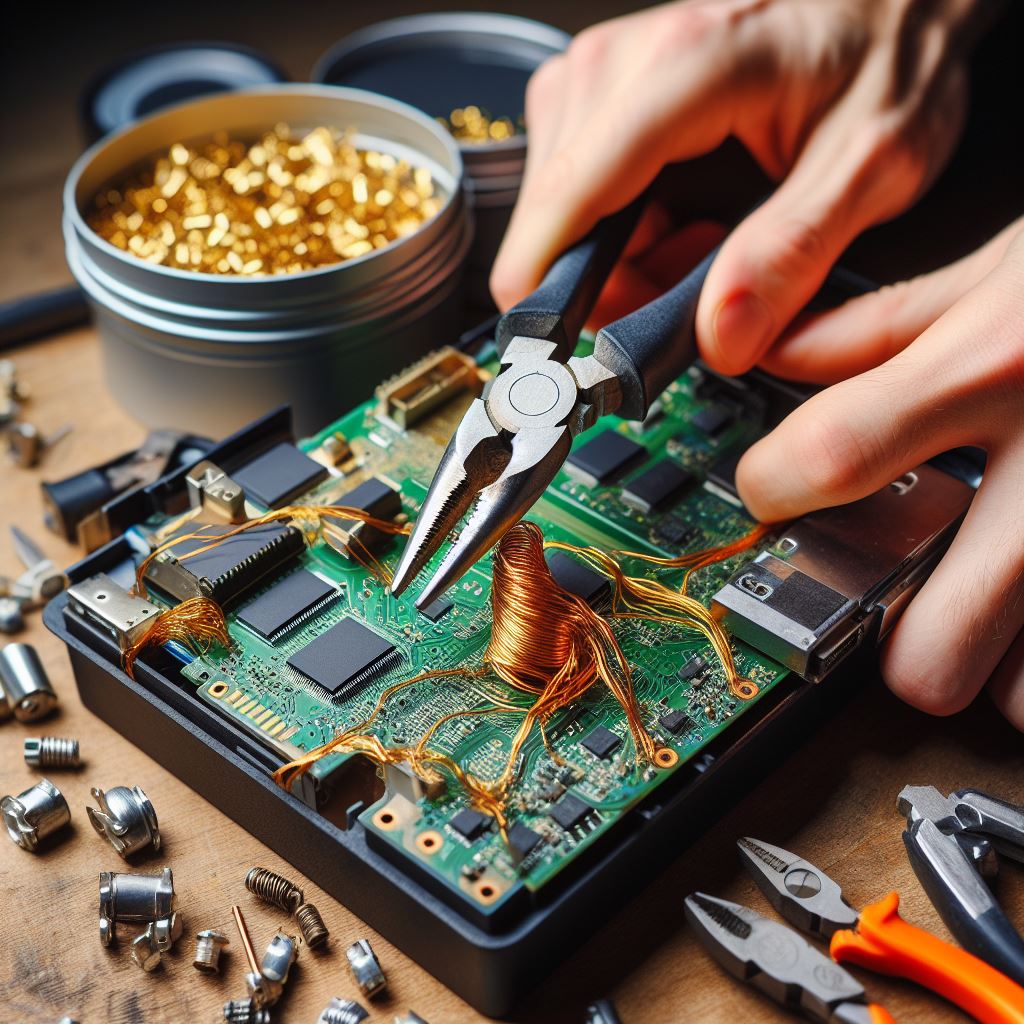
Among sources of precious gold and other minerals for mining in the final frontier of gold mining are motherboards, RAM bars, connecting pins, connector slots, capacitors, connectors, and circuit parts.
Which electronics products have them? Smartphones, mobile phones, computers, stereos, TVs, circuited appliances, and tablet internals. Where there are circuitry and networks gold is easy to spot among these parts. The hard drive is of special mention for having gold, platinum, and silver palladium in them. Other less-known minerals are also found in these electronics, with each with its own method of extraction. We will concentrate on the gold though.
There are many sources of scrap for those working in electronics, computers, repair, and those involved in IT and tech industries where there is a steady source of unusable electronics, usually beyond salvaging. These are some of the primary sources of the raw materials where the gold chips and plating come from, along with a few other minerals.
Processing the Gold
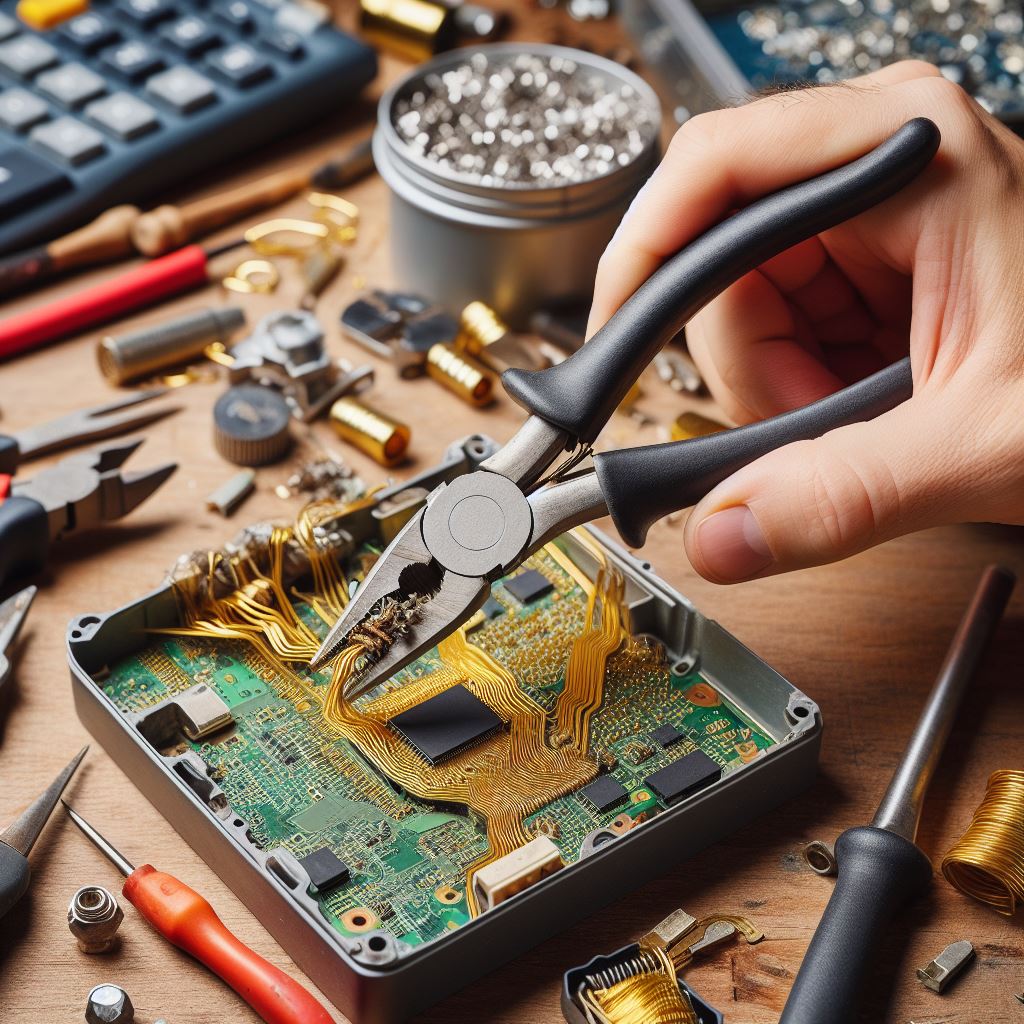
In these situations, a good bulk is the best quantity and the best way to work with. You also need a clear and dry space, safety goggles, a gas mask, a pair of suitable gloves, an industrial apron, a stove, and a way to get fumes out with a fan without exposing others.
You need certain stripping chemicals to remove the gold chips from the electronics. For safety and legal reasons, the individual names of each of the chemicals will stay unnamed. Besides, the information and basic instructions are readily available online.
We do not condone unguided use and present information as safely as possible. But judging from most of the YouTube instructional videos, following the basic steps is enough to provide a safe and successful mineral extraction. But don’t take our word for it, always have guidance and help available.
Once the specific, desired parts come off, extractors soak them in the chemical solution. This acid bath strips the gold elements out of the boards, pins, and tips. After allotting some time, usually a full day, we can filter the resulting chemical broth and then dispose. You have the source boards and more importantly, the gold chips left. They are later cleaned with water, dried, and then mixed in another solution, cooked, and then filtered.
The last process leaves a brown-gold gunk, which is then heated to an extreme temperature that oxidises everything, leaving the gold nugget. The resulting nugget or nuggets are ready for karat-level checking before being sold off, which of course, translates to cold hard cash.
As exciting as it may seem, a few notes to consider: always ask for the guidance of an expert. Be careful with chemicals and heat, follow instructions, and do this in a wide space outside, with protective gear. And always look for old computer scraps, because there’s gold in them garbage.




 Towards Harmonious Civilization Zine
Leave a comment