
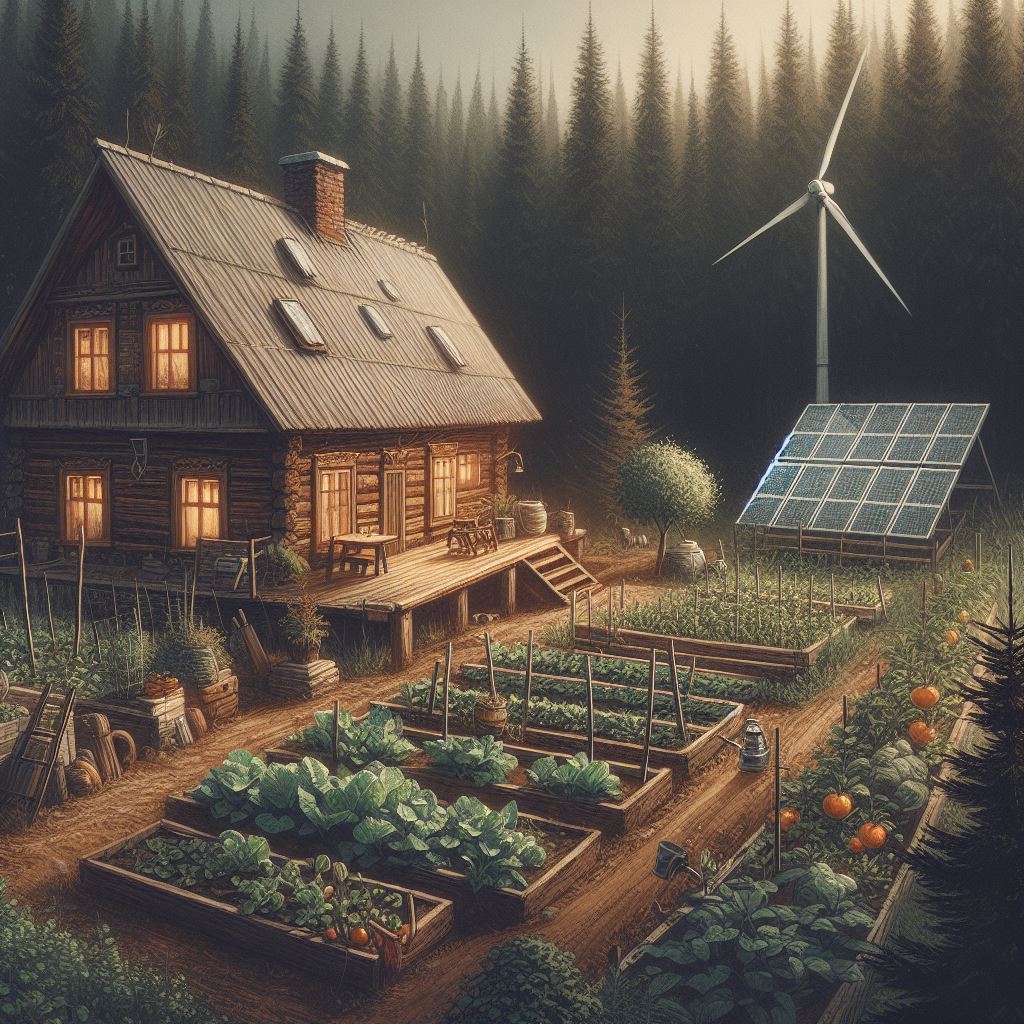


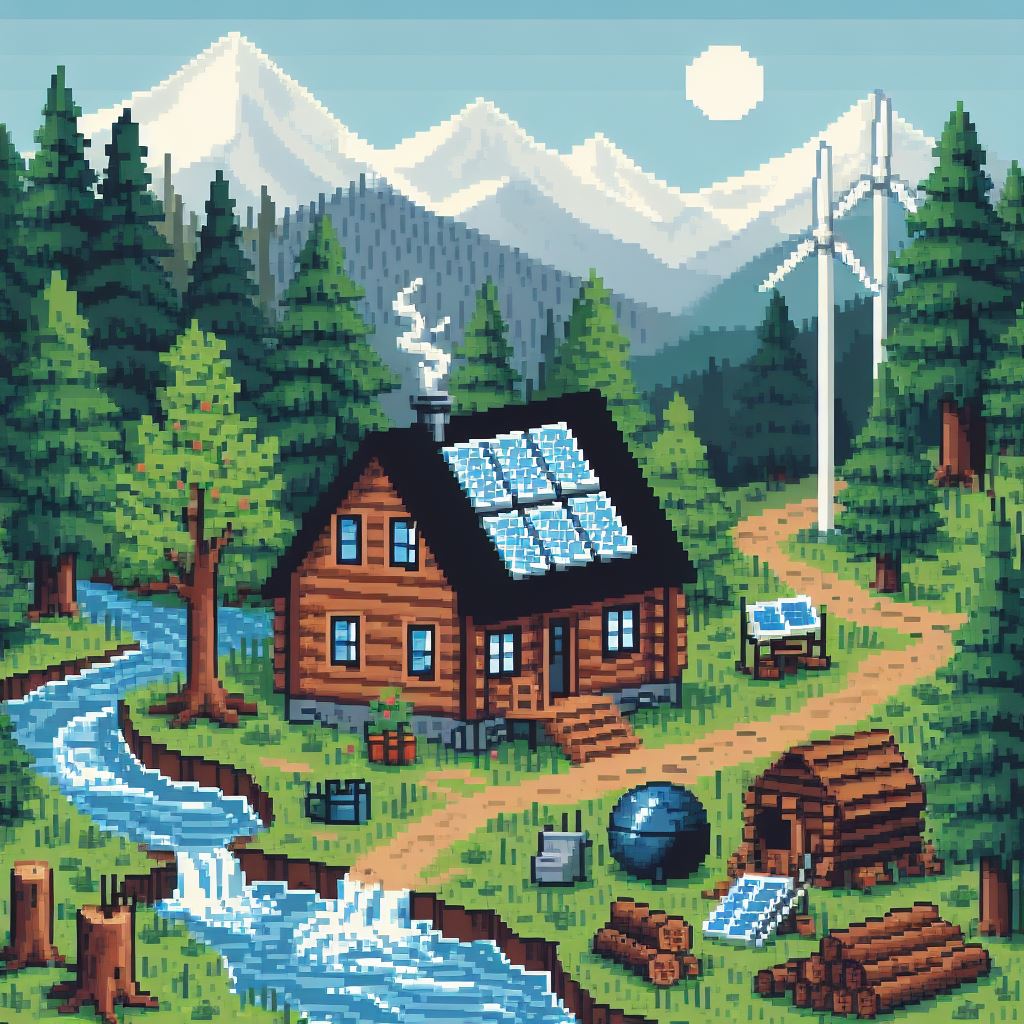
by UNKLEF777
Many people are now living off the grid. They are living in homes that are self-sufficient with all their needs and standard utilities met, unlike the rest of the “connected” population. It’s a return to efficient, green living with respect to nature, and to cut down or eliminate utility bills and other expenses.
To go off the grid may also mean completely abandoning the traditional urban living space in favor of an earth-friendly and natural existence. Major utilities and needs come from ‘green’ sources instead of the traditional mass-used services and methods.
Off-grid living is also a way to isolate from the masses, from urban living, and sometimes, society in general. It’s also an extreme form of independence and self-sustaining living.
In some cases, it also means limiting or even giving up on a bunch of technology to a point, some of which we’ve become dependent on in our daily lives. Narrowing down to your basics can be liberating. The real question though, aside from “How is it possible?” is “Are people ready for it?”
Basics of Off-Grid Independence
There are main concerns when going off-grid. These are the most important: alternative sources of energy, recycling, water collection, waste disposal, and living supplies needed in the house. This means replacing most of the standard utilities we used to have in favor of alternate sources that operate at no cost.
Also crucial is the location of the property. First is to get one’s own rural or wide-space land with a preferred climate, long sun hours, and floodproof. It should also be near a clean water source, or for those who can’t source their water, near connected pipes. It should also have provisions for planting vegetable food, fruits, and herbs for those who want this option.
Your location should be strategic and within reasonable distance of key areas, establishments, and stores you need. Some forego any urban connections and keep it remote from any city.
The House
An off-the-grid house can be custom-made to specifications, using pre-made plans and blueprints. It can be with cheap materials and instructions available from a few sources online, such as geodesic domes. There are many easy-to-install types of home, from shipping container models to smaller to medium-scale prefab ones.
There are videos, lists of materials and costs, and progress posts on how to do different types of DIY and semi-DIY houses and set them up. This method will take time but will be more personal, but you can supervise it from the ground up.
Another option is to get an off-grid, or an off-grid-adapted, prefabricated housing plan. You can customise it with all other troubles left to the contractor and builders for fewer worries. The majority of these may have solar power systems in place, and provisions for other alternative utilities.
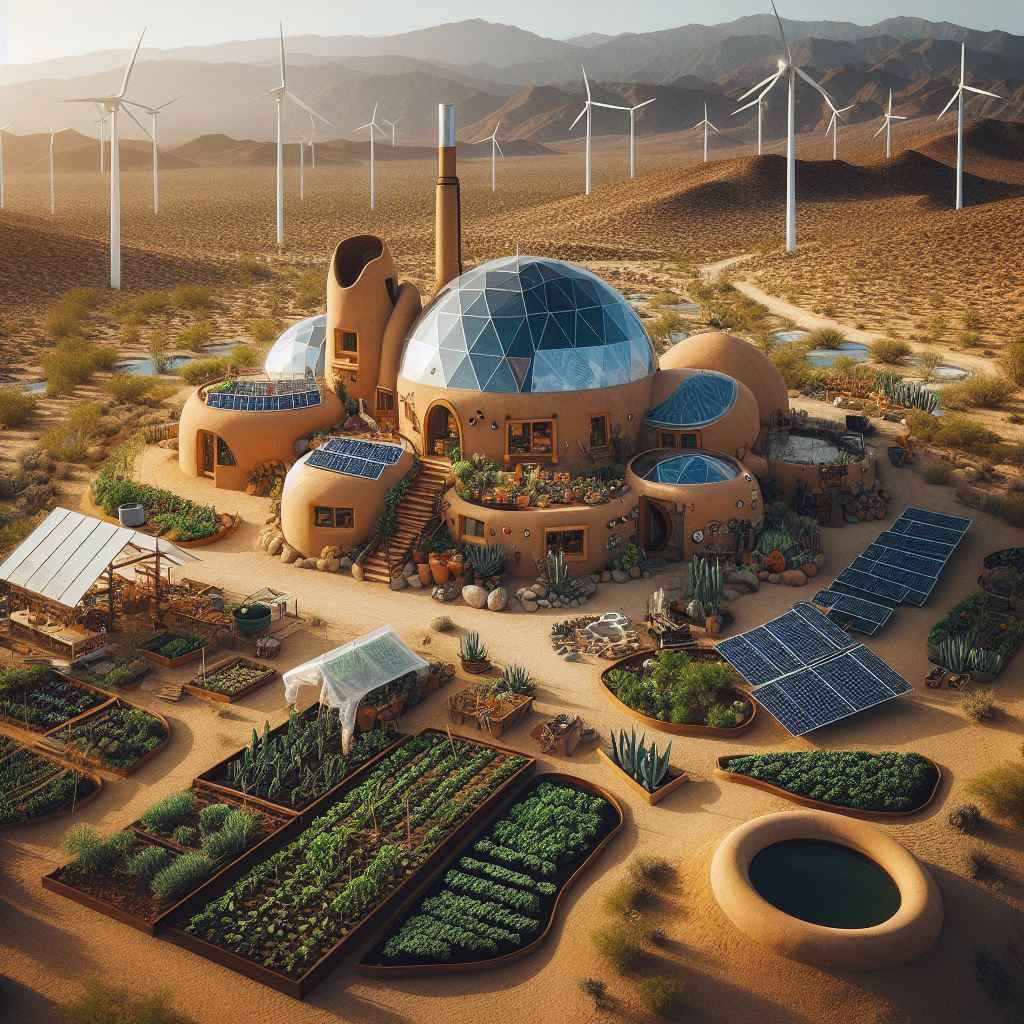
The most popular “off-grid” house model is The Earthship. The creators designed it to meet off-grid living needs and has been successfully recreated in many countries. In this type of alternative living and living spaces, all types of electricity circuits will be non-existent. The only ones present are for use in basic telecommunications, and for power.
Alternative forms of power that don’t involve money and being in the mainstream energy grids are the main sources of energy. The most common method is the solar panel. It is enough to collect solar power for energy during the daytime, with stored power for the night. Other less common forms, depending on the location, are wind turbine power and geothermal heat.
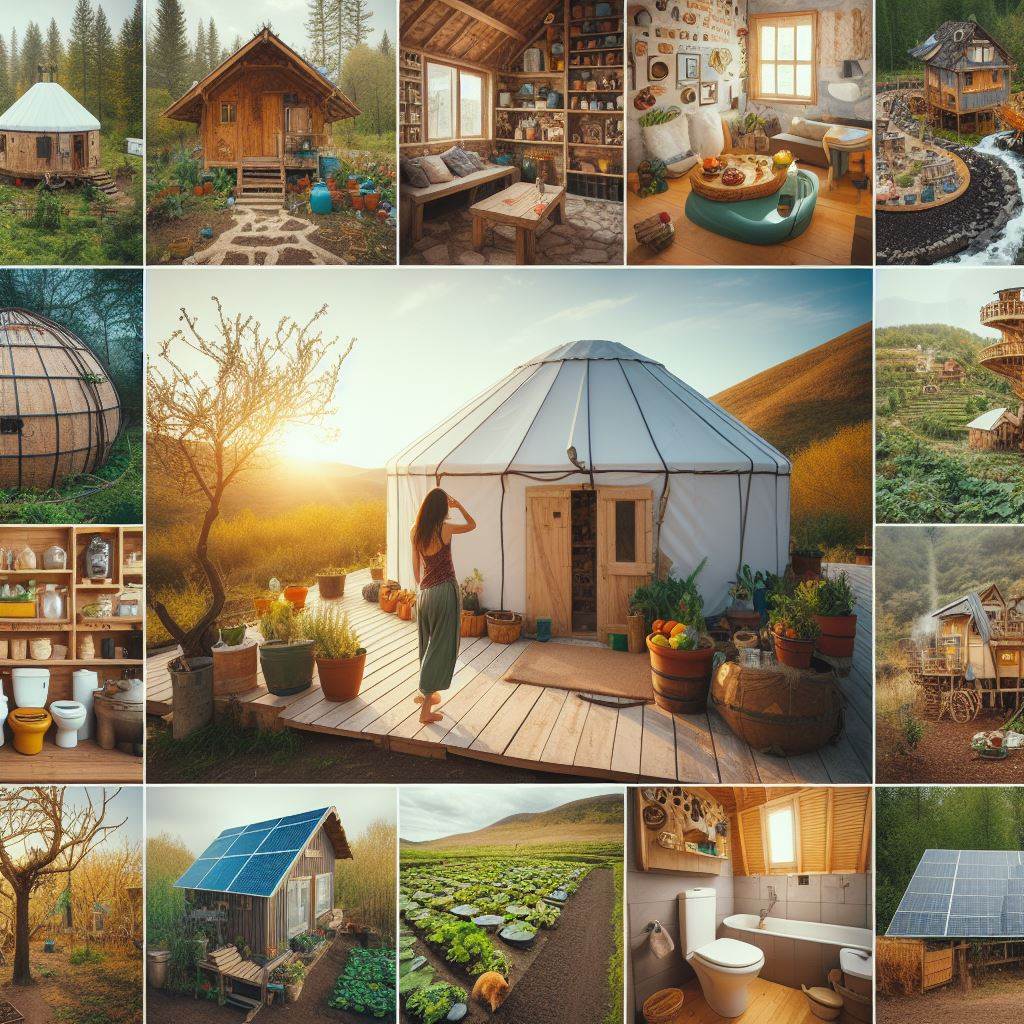
Basic Living Needs in the Off-grid Set-up
The basic appliances used for small-scale solar power systems can provide for a small refrigerator, economy or LED lights, and an appliance or two, like a water pump/filter system or washing machine that’s not used daily.
Additional provisions can be set up to include computers, modems and a few more appliances. Owners can limit lighting to evening use, and use a daytime lighting design to maximise natural outdoor lighting. Only install the basics as much as possible, just meeting the total output of one’s solar power system.
The use of solar panels involves a few preparations in advance and some proper setting up. The first is to determine the total energy KWH per monthly bill versus the solar cell output you’re going to use, the devices at home, and the actual needed amount of energy, plus extra. You also need to organise the outdoor location of your solar panels and the optimal positioning for maximum solar energy farming.
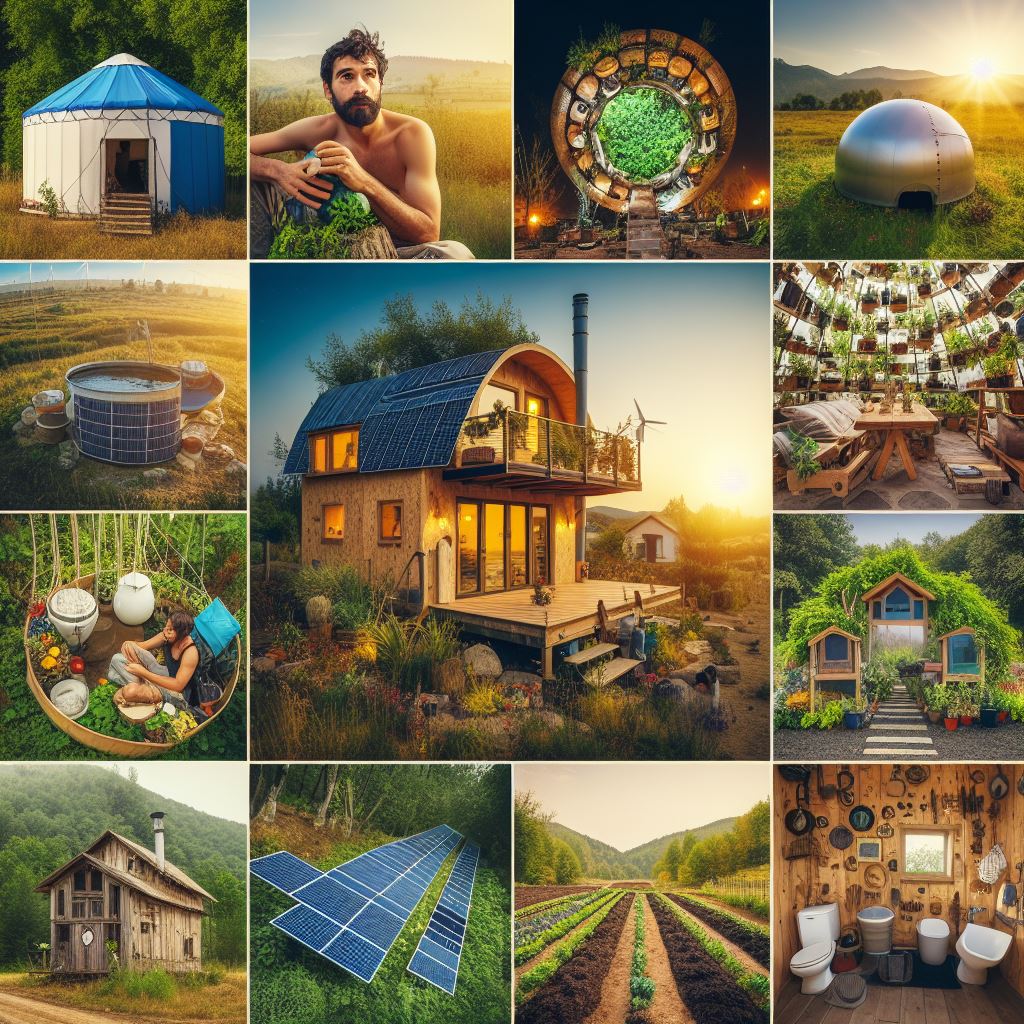
Cooking is possible with one or two methods that don’t need any regular paid energy sources or are renewable or available locally. Among them are gas propane tanks (with an extra unit reserved for emergencies), wood ovens, wood stoves, grill pits, and rocket stoves. For other additional appliances, energy-efficient models are the priority, even if they cost more.
Allocate extra energy provisions for ‘minor’ appliances. This is where the tech dilemma comes in: do we set up power for (charging) smartphones, tablets, TVs, stereos, computers, and other devices we (might use) daily? This will depend on the total output of the solar panels and the frequency of use.
Other off-grid people reduce technology and telecommunications. Some more extreme homeowners eliminate them altogether. This all depends on the reasons why the house was set up as off-grid; is it off-grid 100%, or for sustainable living with technology basics? You still need a basic connection to the internet and telecommunications devices. A large solar power grid at home can support their power demands.

Supplies in, Wastes Out
The next main concerns are home supplies: food, water, personal items, and other basic needs. When going off-grid, many people prepare a sizable garden to plant all the basic greens and vegetables that are of considerable ease to take care of, to lessen food bills and introduce organic food consumption.
Other bigger housing and communities will even set up an organic farm and plantations for more food source independence. Water can either be from a natural source nearby through a water pump and filter system. For those with no access to natural water, the option of remaining with a water service can be a possible option for the time being. A separate area for waste water can be set up to set-up to avoid contamination of purer sources, and for recycling some of it.
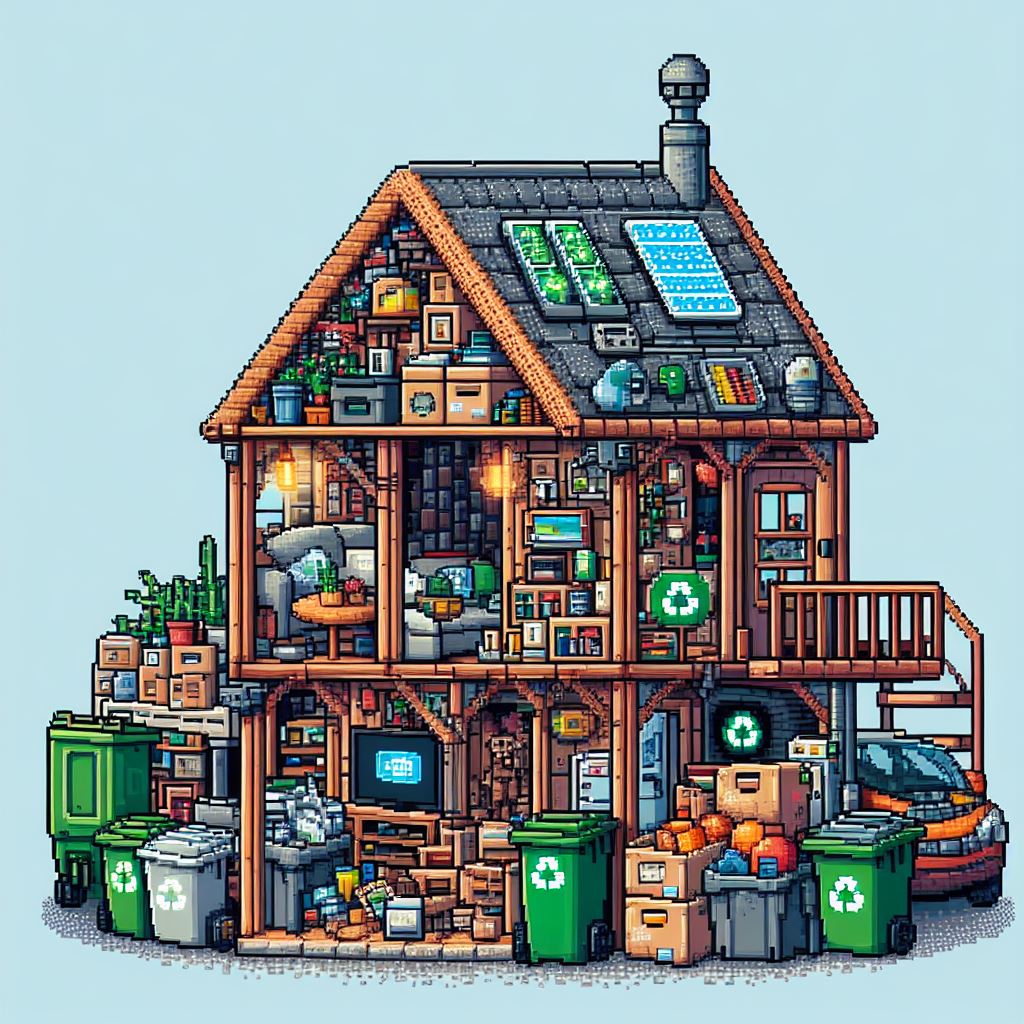
For other waste disposals, they have their own separate methods, too. The issue of solid waste and recycling take a little bit of effort, since it uses separate ‘green’ methods that also benefit the Off-grid person or family. For non-disposable or non-biodegradeable items, they can be kept at a separate disposal area. Those that can be burnt safely can go to rocket stove type pits that can serve as additional geothermal energy sources for water heating and cooking. All recyclable items will go to another separate area for later fixing and processing.
The natural and bio-degradable wastes go elsewhere for proper recycling and use. Setting up an organic plantation area, no matter what the size, will definitely make use of natural wastes. All organic and biodegradable wastes can be used for manure, compost, or fertilizer, and the process becomes easy with just a basic know how of these proper disposal and recycling methods.



 Towards Harmonious Civilization Zine
Leave a comment