




By COMMANDER ENTERPRISE
Downloading is one of the main reasons why we have high-data and unlimited broadband. The amount of information, content and multimedia available at convenience at any time still rakes in the most considerable amount of broadband bandwidth and data allowances.
Imagine the hundreds of gigs worth of music, concerts, videos, films, and vital files users and maybe you have downloaded over the years. Torrents have saved many of our weekends with some of the most awesome downloads available.
Searching for some incredible out of print series, long lost albums, or that popular underground download you thought was lost forever? Chances are, the right torrent is out there, with complete files you need, ready for download.
History and Development
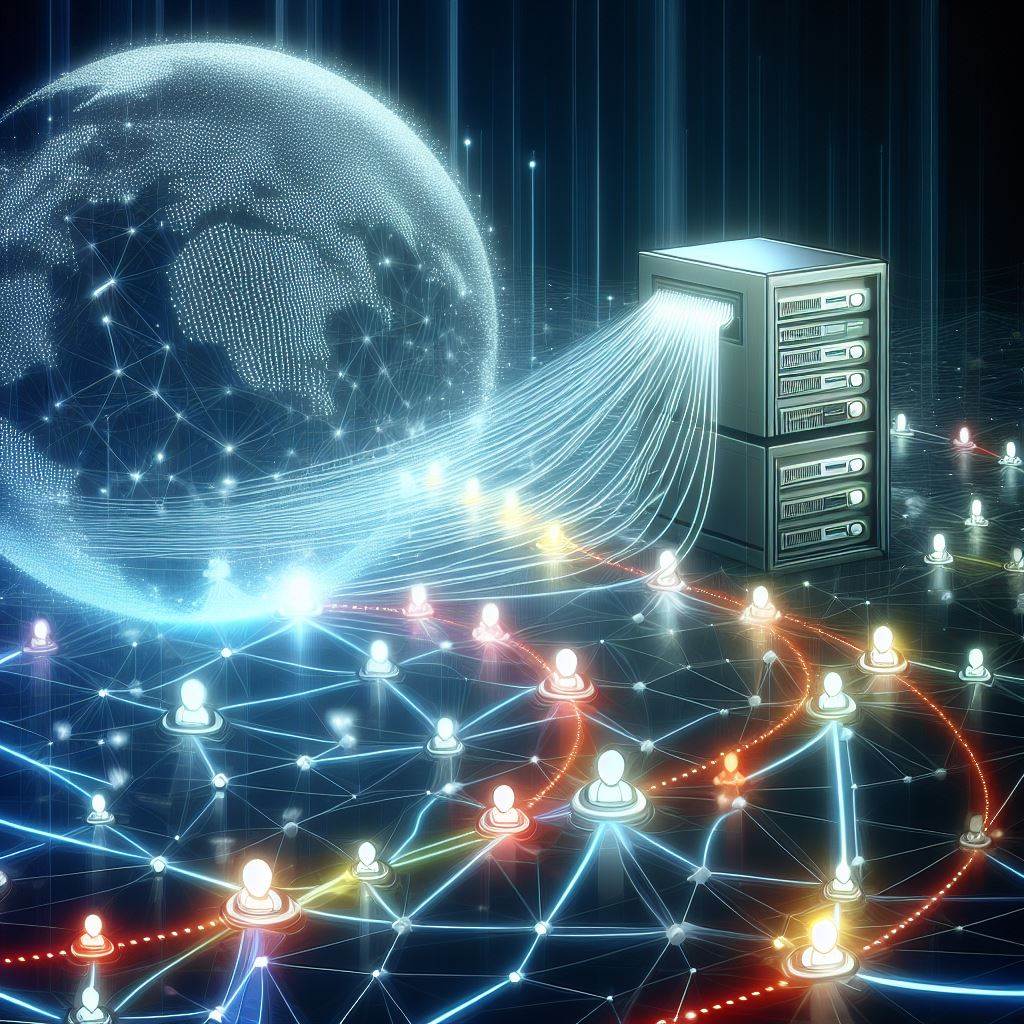
Torrents started in 2001 when Bram Cohen, a programmer from the University of Buffalo, created a way for faster file downloads. Instead of a direct file transfer from one only one direct source, his concept was to use multiple sources of the same file called seeders. You download the file piece by piece from all online sources available at any given time until you complete it.

The format of the peer-to-peer system of file sharing was the first step, and developed over time. It gained ground at the turn of the millennium and in the early 2000s with the release of such popular P2P systems online, such as The Pirate Bay, Napster, Kazaa, Limewire, Audiogalaxy, Soulseek, et al, parallel to the development of high-speed broadband internet. Music, videos, films, major movies, instructional videos, programs, apps and other big files are easily distributed with a user-friendly interface and just a few, easy steps.
Taking a look at one of the most popular formats we have today, the BitTorrent system of peer-to-peer based downloads and uploads remains one of the most used programs. However, many of these sources remain underground, and you will most likely find it in secret online groups and chatrooms on where to source certain rare downloads. Each torrent app also serves up an extensive network where you can find and source thousands of other files.

Downloads, uploads, and huge data in between
BitTorrent programs are easy to download and use to get an assortment of files and multimedia that are not readily available to the public: Anything from deleted TV episodes, obscure or rare movies, specific instructional videos, out-of-print recordings, exclusive download-only releases, long deleted programs, and many other online materials. It follows certain stringent requirements for it to work properly.
First is a proper BitTorrent program installed on a computer or laptop. There are several high-performing programs and apps available for the format chosen, a lot of them free. This facilitates the download of the torrent file, which represents the target file, which then opens the file for download, sourced from peers who own the file on their computers.
The file exchange is two-way, allowing the download in bits, in real time, even as it is also being downloaded from one or multiple sources. It also runs uploads to other users downloading files whether they be partial or completed files. They can be stopped anytime and continued when the time is convenient, and sometimes the files can be previewed or tested, depending on the type or format.
Due to the high level of data exchange, the computer or device must be optimized and equipped to handle such fast speeds, and must have enough space to hold these files, whether they maybe external hard drives, or installed hard drives large enough to accommodate these downloads.
And lastly, and this is very important, the computer or laptop must have a high-performing broadband connection, and those in the top notch, upper tier and upper level connections are the ones most suitable: high level ADSL, 4G LTE, Fibre and NBN are the only best formats. It ensures download and upload levels remain consistent with other users and guarantees that downloads are done in the right amount of time with no strain to the computer or device.
File sharing, downloading and public perception
Of course, anything involving downloads and uploads will have certain issues attached to it, especially the much maligned issue of piracy and illegal distribution of copyrighted material. It is a very sensitive and highly-contested issue that involves not only the people behind the activity, but also the Internet Service Provider and their broadband utilities that facilitate the data transfers and the connection format used to accomplish this. While there are no concrete actions against an ISP’s alleged “direct involvement”, some unfortunate people and groups have suffered consequences from downloading activity.
An ISP may be an indirect accomplice to some, but all they do is basically provide the connection and service infrastructure, and the users online are the ones who have the direct action. Despite all of these things, Torrents are a mainstay of broadband activity and so far most of them have managed to survive lawsuits and copyright infringement accusations, at least those who are still around or those newer ones thriving online.
While many steps are currently being taken to block sites, take offenders to court or close down networks, the system itself is not banned, and will continue to thrive and even improve as technology and broadband speed and performance continue to advance.



 Towards Harmonious Civilization Zine
Leave a comment