


By: G Vazquez
(originally from the old THC Zine website, v.01)
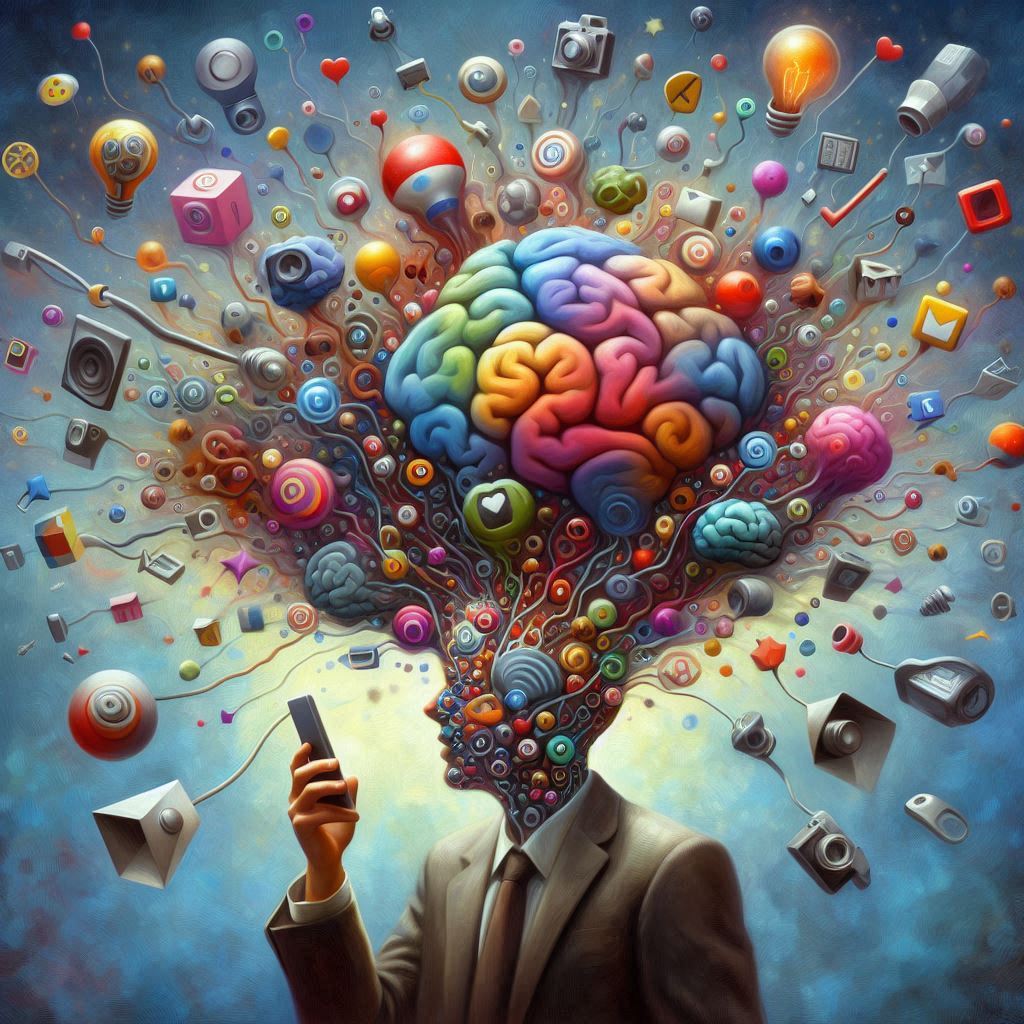
Most of you readers of this zine are most likely also on at least one or two social media apps or sites right now while reading this. Social media is so inescapable, but is also very useful platform that people have for many purposes. But really mostly it’s for personal, enjoyment, entertainment, and interaction. Some of it is actually for business or agenda.
There are some deep-ingrained, far-reaching effects of Facebook (and Twitter/X, Instagram, YouTube et, al) or are there, really? Will logging in and staying all day, every day for 30 days on Facebook (ala Matt Spurlock of Supersize Me fame) prove a point on how these changes can become exaggerated on a social media enthusiast? I mean most of you have been on FB and IG for like 10 straight days, or years now, right? Right?

What A Tangled (World Wide) Web Social Media Weaves
One of the main elements on how Facebook, for example, influences and sometimes changes human behaviour lies in the open and inviting search engines on the FB page itself and on Google, or whatever search site is used by the users online and on their smartphones and tablets.
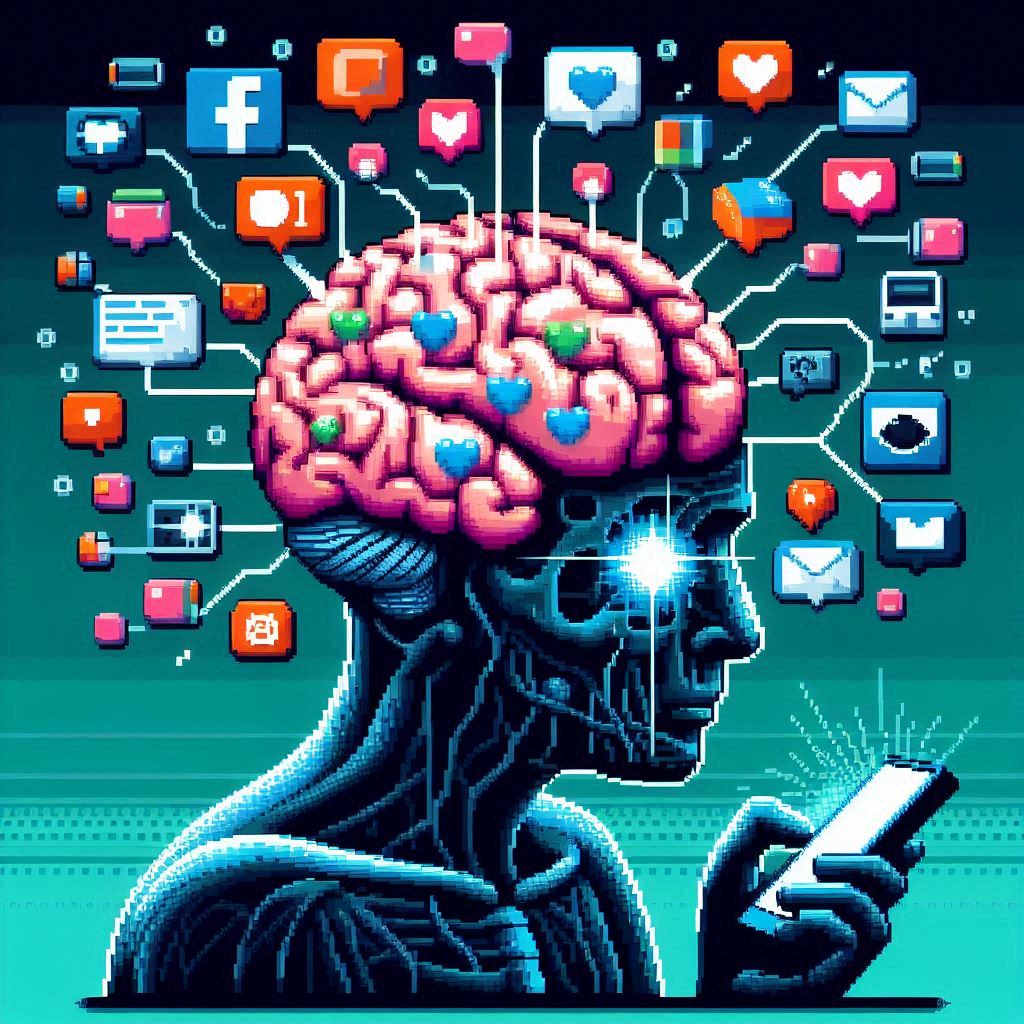
Whatever you search and view is in turn analysed by the system implanted on Facebook (by checking for keywords and topics). This shows tailored target advertising and marketing to the same users, which generates clicks or visits for these target sites, via algorithm systems. And advertising has a huge effect on reactionary behavior.
These sites are set up with direct advertising, generating income for both Facebook and their affiliates, based on the interest, topic or activity. Being on certain social media sites isn’t free; it is an ongoing exchange. Its audience generates money from advertising and marketing just by being there.
People who are easily brainwashed or externally influenced are essentially good targets here, to sell products, services, ideas or movements to. Some of which are not worthy, or just driven by companies or certain groups.
In the last few years, political agenda has been one of the clever hidden goals to reverse-engineer people’s brains, taking advantage of gullible, ignorant users with fake news and mind conditioning. The use of paid trolls, crafted social media content, commentary, and other deceptive practices have resulted in effective results.

These sites and their linked content can spoon-feed people with news, trending topics, articles of interest, and even more sites based on their interests, favorites, hobbies, and activities that hold their attention and lead them to more interaction and impulsive clicking. Getting attention online can also overdrive the ego of the users, what with the countless selfies, shameless self-promotion, and other user posts that a lot of people believe promotes much narcissism and vanity.
The same concept applies to the other links for other types of “related media” where the topics of interest and key words are also filtered and analysed to link other instant and ready-made social media and content sites, such as YouTube, Buzzfeed and other media sites, causing more incoming traffic that also generates advertising.
Media and content are served instantly, reinforcing instant gratification and eliminating the need to wait, which then greatly affects many audiences’ patience and attention spans, shortening them to bite sized pieces just like the nature of the instant online content found on feeds. Most of its effects are directed at the younger demographic which makes up a huge share of social media’s audience. We want it right here, right now.
These same links would also appear on a few friends and favorite pages, and other viral posts about the latest news, trends, hot topics, even gossip. Some links will appear on X/Twitter and also have the same effect. They are sourced from outside sites and are also widely used by media companies and advertising to “push” certain topics and advertising to generate revenue or sometimes get their point or idea across.
Social Media Engineering
Effective, well-engineered posts on social media can promote herd mentality. It can also force people to take direct action. It’s done to target specific people or groups of people, adapting to their language and ideas to get them to agree, join or even oppose the issue or issues at hand. Some of it is meant to provoke or cause discussions spontaneously, without directly doing so. This is just one of the tools to bring ideas or get direct reactions from people.
And while these “techniques” are brewed and perfected, they also generate too much online interaction, to the point that it replaces real-life interactions. Some people are almost chained 24/7 to their smartphones and tablets, even if those same people are in real life situations that require their real-life interactions.
It can also affect productivity and focus at work or in real life, as it takes up the attention of people with their smartphones and tablets handy, affecting their face to face interactions. As one example, just look at couples or groups everywhere with their phones taking up all their attention. It’s also evidence of the continued decline of the human interaction, as most communication and dealings are just online without any actual human contact.
Bad And Deceptive Content, Disguised
These links come with bad things, too. A word of caution – some of these links and sites out there are fake. Many photo sets on Facebook are just links embedded on the image, designed for clicking, for example. Comments with links can either be for paid redirected links, or dangerous content.
Once in a while, someone will fall victim to either phishing, hacking, viruses, malware, spyware or worse, become a tool of multi-level marketing, yes, just by paying attention. Whether or not one joins and tries their “business” is another story, and another plus point to their business.
While it is best avoided, to get victimised by these “reaction-dependent” content at least once will make sure people become more aware and more careful about checking out links. It helps strengthen personal online defense, making people know better than to fall victim a second or third time against identity theft, hacking, illegal access to personal information and so on.
These are just some of the main deceptive content found on Facebook, X, Youtube and its affiliate advertisers and linked sites (most of which are social media, blog and media and content sites that also generate advertising revenue of their own). While Instagram focuses on image sharing, it’s images and linking can also be used for indirect advertising or leading to other links, not to mention searches that lead to Instagram and a few choice key words. But that’s not all.
There are also “triggers” – the collected interests, favorites, likes and searched items – all of which are on the news feed and home page, with their own posts and content. There’s also posted content from users, whether they’re sharing links externally or their own stuff. These are the localised “influencers” that exist in the vacuum of the person’s profile. Those that are not included won’t revolve around the person’s awareness from what is being showed on the news feed or home page. This creates an exclusive bubble that becomes even a stronger influence, because it seems so intuitive and personal.


 Towards Harmonious Civilization Zine
Leave a comment