


From THC Zine version 2.0
by: COMMANDER ENTERPRISE
Aside from all the obvious features and selling points of a good smartphone or tablet, there are other things embedded in them that let these advanced gadgets have some sort of “sensitive feelings”. Phones use them to do certain things and take action on many of its features and aspects—yup, based on their (them) “feels”.
Sensitive feelings on a smartphone?! Cue-in “Together in Electric Dreams”, both the movie film clips and that hit 80’s song—or don’t, please don’t.
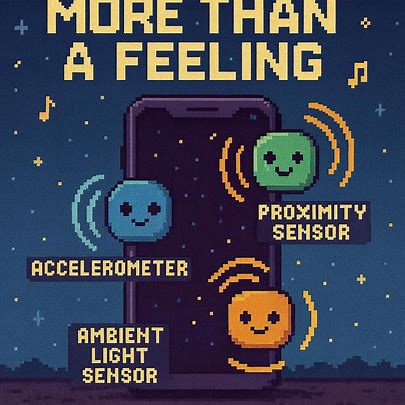
Sensory Feelings And Reactions
OK, before it misleads other people, let’s get something straight here. Sensors “feel” movement, different ones according to its types: touch, sound, signals, locations, temperatures, conditions, and other external elements. Based on these, they analyse, adjust, and take action, activating other important features on the phone from what they “feel” and “sense”.
Sensors are just as equally important as the prominent or deluxe features of phones. Today, advancements in smartphone technology have made sensors some of the most hard working and silent components that play major roles in the overall structure of these beloved mobile devices.
Sensitive Smartphones?
Most of these sensors that we have in our trusty mobile handhelds are roughly categorised into different “types”: We’ve got motion-based, surroundings-based, and position-based sensors. They read and analyse these external factors to calculate and take action on specific, built-in functions.
Motion sensors determine outside forces such as acceleration, gravity pull, angle movements, and rotational movement via the three axes of movement (up and down, left and right, and forward and backward). Sensors for the external surroundings are sensitive to air, temperature, light, humidity and other environmental elements. For positional sensors, they sense both the location and position of the device and its user. These sensors are in GPS systems.
Some of the (possibly) overlooked basic features of smartphones totally rely on their “sensor” centers to determine these elements. A lot of these are from apps and programs that make use of these outside elements.

Sensor Applications
For phones that have touchscreen and gesture reading, motion sensors work on sensing precise hand movements and touch to make these functions run as smoothly and intuitively as possible. Sensors provide functions for touchscreen entry, fingerprint detection security, swiping, controlling, entering security patterns, playing games, and other activities that use or are dependent on movement-based physical commands.
Environment based sensors meanwhile use the outside conditions of the phone. It senses environmental conditions to give information on what to expect. They analyze the sun, air, humidity, temperature, and weather based elements. From here it measures temperature, gravity force, light, pressure, and air elements, giving users a general weather forecast. Even automated display settings rely on light sensors to adjust accordingly for it’s user’s view.
Using a smartphone’s gyro sensor (also known as an angular velocity sensor), and the three axes for location, it senses the phone’s movement and resulting rotational position. It adjusts instinctively to where and how the phone moves and its direction for the correct view and display. This works with the motion sensor. It’s used for GPS, mapping, navigation, and applications that involve location and movement with its magnetic field sensor behind its compass.
Vibratory gyro sensors work for buzzing and vibrating alert actions. They also coordinate with light and sound sensors for notifications and calls. Not only are they for smartphones, but also for digital cameras, with respect to their Image Stabilisation and shake movements when operating the camera. They also work in smart Watches, drones, and other devices that can sync with the phone.
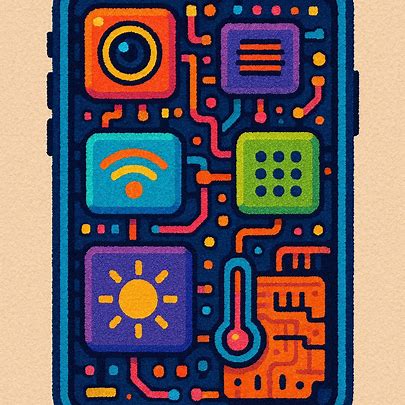
Beyond The Smartphone Sensor
The applications of these sensors have gone beyond basic smartphone functions; more and more complex functions on “extension gadgets” have been developed using smart phones for an even wider range of uses and capabilities outside the smartphone.
Speaking of the smart watch and many other external accessory devices, their paired use with smartphone sensors have rapidly accelerated in the past few years. Nowadays, a combination of these smart watches and their main smartphone are now used by the medical field.
Sensors help activate fitness and health monitoring systems’ functions. These systems can measure and indicate physical activity, keep track of health metrics, take blood pressure, and do general analysations of a person’s health and fitness metrics. It even checks your skin sensitivity to analyse your body conditions, aside from tracking your location and making calls.
This technology is also in other wireless devices such as drones and cameras for specific features, to perform remote control options as needed. Smartphone sensors and the external device’s own combine to do similar and not-so-similar features, such as for drones mapping an area, or a remote controlled camera making auto-adjustments for a photo, using the GPS to indicate the current position on a digital map.
Sensors also help in smart home systems, incorporating different types of sensors in their installed devices. It can help us view and control the home’s security and surroundings.



 Towards Harmonious Civilization Zine
Leave a comment