
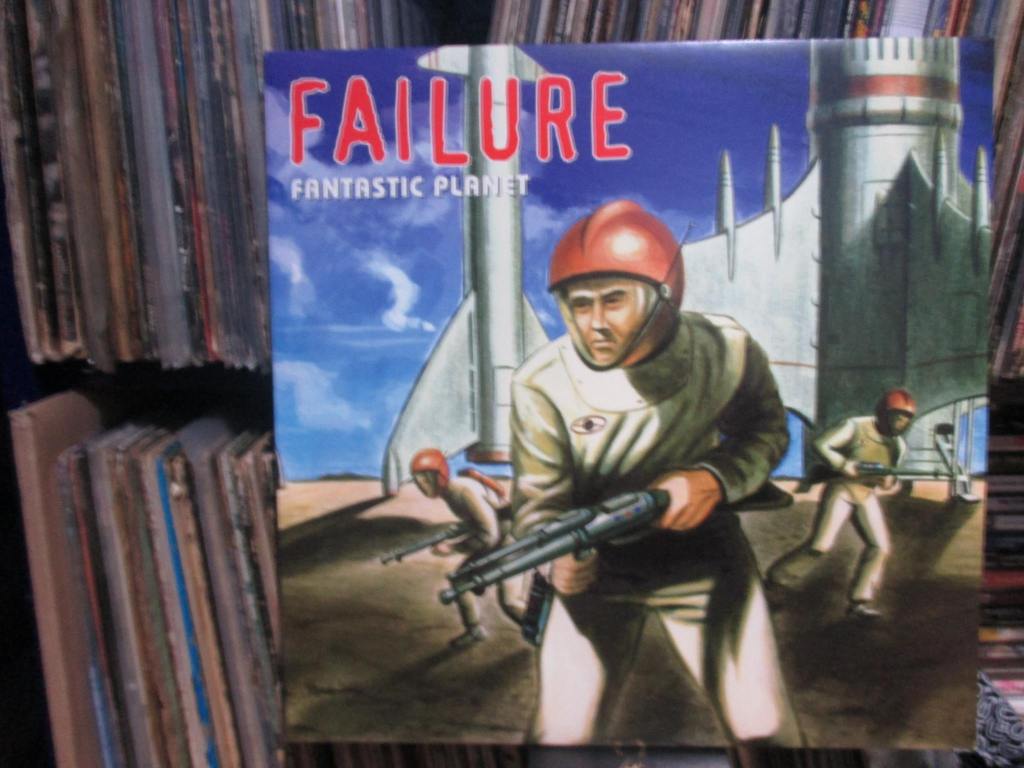


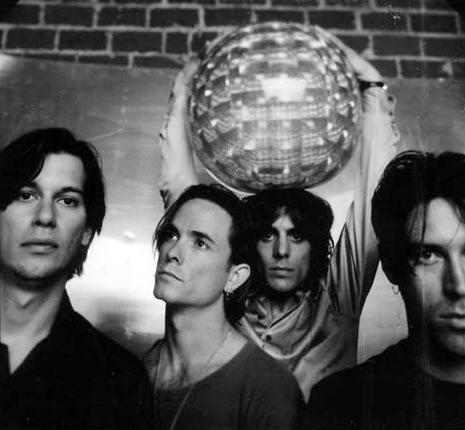
from Scrawlshop zine #13
by: Rx Zenabi
Failure
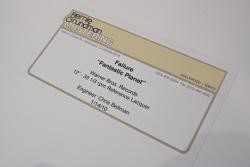
Fantastic Planet
Slash/Warner
This album will celebrate its 30th birthday next year. It has also been reissued on 180 gram double vinyl LP in a gatefold sleeve in 2010, with a few more beautiful reissue variants after. Like many, yours truly missed this during the mid nineties because of the same reasons other listeners also have: not having enough knowledge, too busy listening to other music (too much punk and metal maybe), unavailability, etc. etc.
Grunge has become overblown during this time, and tons of alternative and “indie” rock bands also came out during the difficult transition of the nineties to the next millennium. Some of them were just lodged in there due to major record label hype. Others were the real thing though. They would be the ones to make landmark albums such as this.
By the time 1996 hit, Failure has become more than they envisioned, and they were one of the best despite not being as well known. Despite not being as big as Nirvana or Soundgarden, they were visionaries ahead of their time. A lot of people praised the band in threads of fan-posted, live club bootlegs on YouTube and hidden obscure rock and indie band message boards. Everyone who knew all said the same thing: they should have been bigger than they were.
Some interviews and reviews point out that the album, beautiful, heavy, psychedelic, and well-composed as it is, was also fueled by band tensions, excess, loneliness, and partly by heroin addiction.
Nirvana and Alice in Chains were among those who prominently reflected this problem during the 90’s, when the music wasn’t so much as angry but also introspective and tragic too. Nirvana deflected it by letting loose the artpunk aggression ; AIC used it to their advantage with the Staley-led dark hard rock / metal grunge (and some bluesy acoustic tunes). Others veered off a different path on their own, and either went to relative obscurity or rock star status.
Failure’s songwriting retained the heavy, added spaciness, and had a lot of space rock elements. Their hook-heavy singing and melodic lines perfectly complemented these dynamics. They balanced it out on Fantastic Planet and reflected both the depression and the romanticization of such topics and turned them into art.
Bassist Greg Edwards, who had written a number of material for the band, described the tension and pain they experienced during that time to be instrumental in the band’s sound and songwriting. Personal demons and band tension aside, the band’s sublabel, Slash was also dissolving during that era and Warner had no distribution with them anymore. This was confirmed by drummer Kelli Scott, during one of their old interviews, wherein the band was in the midst of recording their music. The extra label drama added to the feeling of desolate creativity one can hear on the record.
The band’s approach to recording was done in a different way: by recording song per song once it is deemed as done. They holed up in a rented house owned and being rented out to by Lita Ford, in seclusion and in total freedom—a move that almost always guarantees positive results for any band. Many bands have created using this method as seen and heard on Red Hot Chili Pepper’s Blood Sugar Sex Magic, among others.
Ken Andrews himself was the producer, coordinating recording in two facilities, at FPS Studios and at Madhatter. This was one of his first major achievements that saw him develop into one of the top producers and engineers in heavy rock and alternative music.
The band experimented with both sound and intricate playing, with personal experimentation and further tweaks and adds here and there to create the sonic landscape of the album. It has also become a well known habit of the band to trade instruments onstage and in the studio.
Bringing in these elements to their creative force made their exceptional tunes more textured and nuanced. There were new layers and sonic palettes here that were brought to life in the studio.
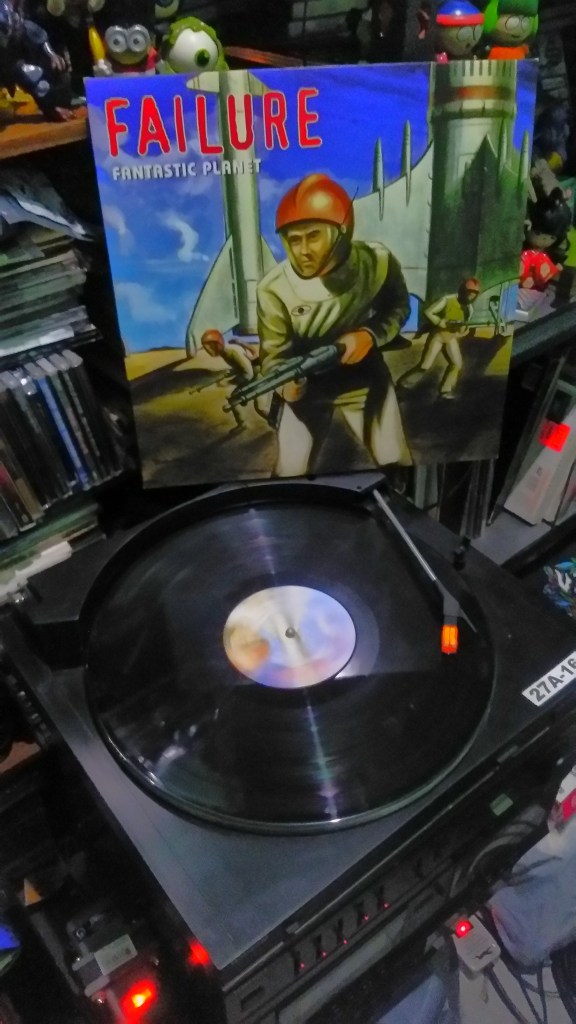
As was mentioned, sometimes the perfect timing is everything. The mid to late nineties felt like a wasteland of opportunities and endless possibilities that are slowly succumbing to the coming millennium. Failure perfectly captured that feeling and their cult following only knew of it.
In between patches of sound are the lyrics that confess through the images. There’s heroin use, desperation, sex, redemption, feeling the whole world is caving in, watching the whole world go by you, bliss, devastation… all of these fleeting images were hidden in the aural paintings in the panoramic, aural landscape.
In between these well crafted songs are small snippets they dubbed as “segues”. Each not only sets up the next song, but also tells you what the person is experiencing, feeling—and whatever it is one interprets it to be, is in the clues of the next song.
There’s so much you can go to back and forth with your imagination for an album based on reality. Specifically, the reality of post grunge and glam Los Angeles—the lost times that spawned super underrated bands and albums that are all going to be unearthed again sometime in the future.
Unfortunately after the tour, Failure disbanded. It was also the first and last tour for new member Troy Van Leeuwen who later went on to play for A Perfect Circle and Queens of the Stone Age. And certain band tensions and other issues somehow demanded a hiatus. It was probably a wise move at that point. They knew they will never top whatever they created on Fantastic Planet.
If it was their last, Failure already sealed the deal for themselves, a triumph they made creating the third album and touring for it. It was left as an undiscovered modern classic that only the elite seem to know about.
Fortunately there is still some justice in the music “biz”. Thanks in part to the internet, many people discovered and rediscovered Failure and they passed it on to more people who would appreciate this underground secret. The biggest support they had was from one of rock/metal’s biggest names: Tool, especially Maynard, and were instrumental in getting the band’s name out as much as possible.
A Perfect Circle even covered their epic tune “The Nurse Who Loved Me”, where many fans also discovered them. Many thought it was APC’s. Those who dug a little deeper found them. Many others covered their killer tunes, among them Paramore, proving their wide influence on many rock and alternative bands. Ken Andrews himself would even mix and engineer their s/t album later.



 Towards Harmonious Civilization Zine
Leave a comment