



from THC Zine v.01
By: Ivy MG
With online interactions, just as in life, people really have to take the good with the bad. And the wider the reach a domain or website has, the even wider selection of class A aholes it attracts on a daily basis. Just expect more blokes online to appear and do what they’re good at.
Often times, an annoying person is easily identified only by two things: their words or their actions, and what they want to achieve with it. Some of the people on this list are easy to identify and spot, others can’t even be seen, but can be protected from.
They’re the heartthrobs, the special ones, the ones to look out for, classed according to levels of annoyance, damage, online power, and clout.

Trolls
As said many times before, trolls are everywhere on the net, especially on many discussions, forums, social media platforms, and places where anyone can comment. The general rule is not to fall into their trap and to “Never feed the trolls!” Unless they look like an actual troll—the one that lurks in the Norwegian and Scandinavian forests.
There seems to be no recourse in dealing with their behavior than ignoring them and cutting off their power with the decimating, debilitating power of indifference. Trolls need people’s attention and they get it instantly by bullying and insulting people with their comments or their stance regarding a hot issue or topic. That, and of course, banning and throwing them out. But total ignoring and indifference are strong enough to render their efforts and time totally futile.

Click-Baiters / Inappropriate Posters
People under this category only serve to post their business, and aren’t here to talk or discuss what’s going on. You’ll see most of their activities revolving around flooding posts selling or advertising stuff not even remotely related to the discussion, group, or even what the hell the page is about.
Others came to talk, others came to watch the comments (complete with a Michael Jackson eating popcorn meme). These people came to capitalise on your space for their selfish (and inappropriate) ends.
Some of their posts are designed to get people’s attention and get them to click on a link that either leads to click advertising stats to help earn money or credit points, to get attention for their selfish propaganda, to help promote their stuff (mostly other advertising related sites to generate traffic and revenue), or even worse, to get some phishing going on.
Beware of fake Facebook photos for instance, as most of these fake clickbait pics often have a link or section below. Beware of clickbait links in comments or posts. These lead to bad advertising practices or worse, malware, phishing, and viruses.
Rip-Offs / Scammers
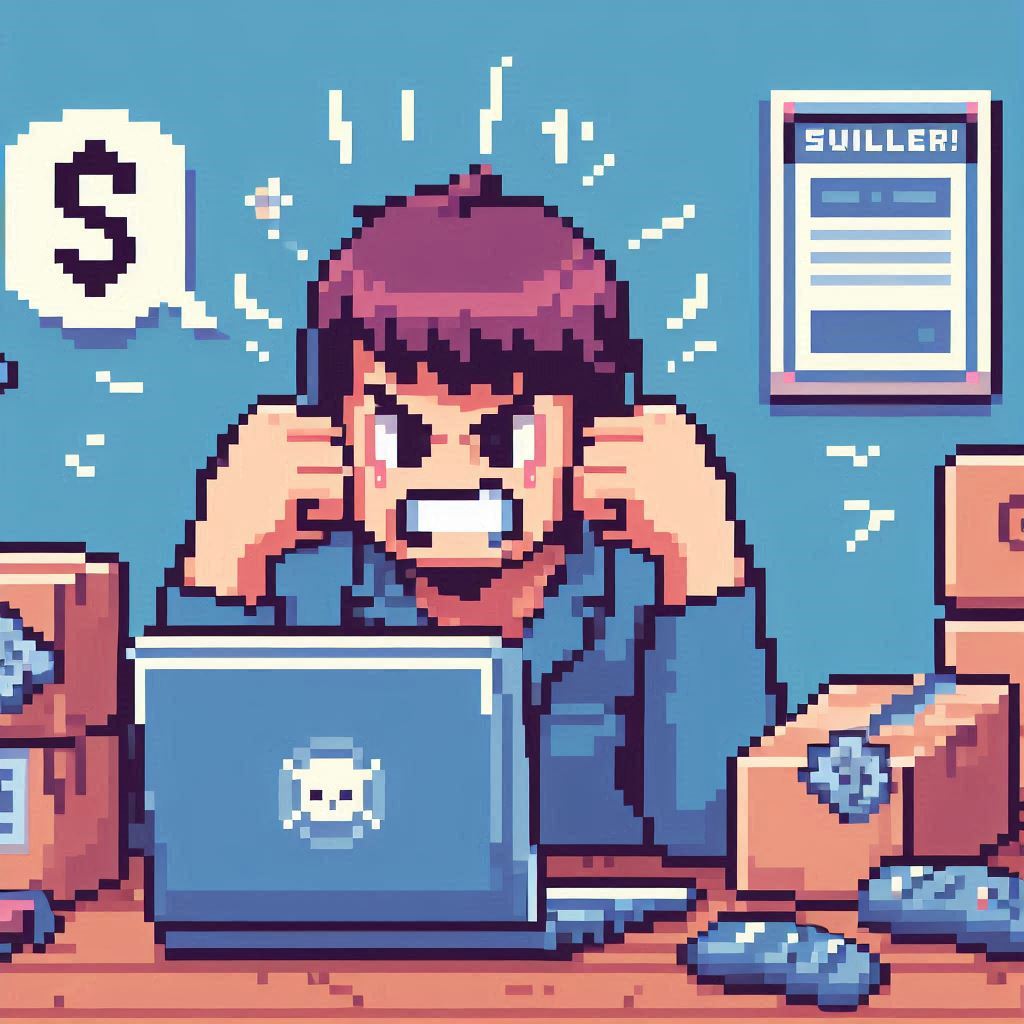
Buying and selling stuff online has become a huge industry. The lack of personal contact and assurance buying online has been overrun by rip-off artists who still occasionally manage to a get a victim or two.
But with the continued improvements with online merchants and sites that can buy and sell, more precautions have been put in place to help thwart bogus sellers, as well as the emergence of more vigilant communities and groups online. Both help maintain an honest online marketplace to avoid more rip-offs.
These days small online communities help each other weed out rip-offs and scammers. The same groups of people have been helpful in helping keep a better online shopping and trading experience, using the viral nature of posts to keep everyone involved informed.
Ebay, Facebook Marketplace, Carousell, for example, now have more reliable systems of rating sellers based on legit customer dealings, to be able to gauge the safety of their online transactions. Elsewhere, those dealing with online merchants have their own accompanying groups and forums to provide support and precaution against certain people and pages. They consistently post information on legit and non-legit sellers and activity to help maintain a clean and rip-off free place. There are also other forms of protection from financial sectors, such as Paypal, who have settings to be able to properly trace payments and help claim fraudulent or dishonest dealers with customer / buyer protection.
Good Old Hackers
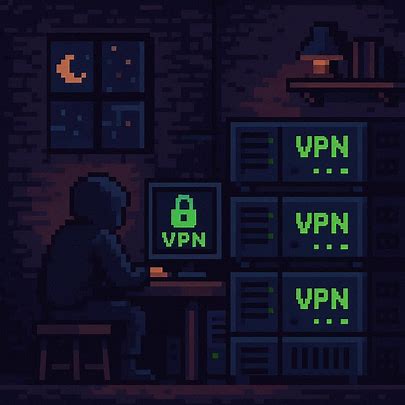
Hacking activity is still prevalent, but in an otherwise more discrete way, and most of their activity can go unnoticed once a trigger is activated – any kind of trigger, which may be a click-bait link or anything accessed from a seemingly legit email, or at times when people least expect it, through the backdoor or somewhere else least expected.
Number two and yes number one on our countdown today are closely related. It’s just that hacking is the more general term in illegally accessing other people’s files, information, or even their computers or devices.
Generally, having complete and regularly updated anti-virus and protective apps on will avoid most intrusions, as well as avoiding bad parts of the internet. However, no one could be spared from clever, high-level hackers all the time. It is advised never to save financial and confidential information on computers or devices to avoid data mining when the device or computer gets hacked.

Security Breachers
The NSA, email, and Cloud security breach of recent times is another proof of how adaptive and clever the bad guys are, and we can’t even see it coming. Accessing emails, Cloud accounts, and call information are major security breaches that have exposed just how vulnerable any of us are, and we can be opened by anyone from the US government, Intelligence Agencies, and malicious individuals or groups.
The Cloud security breach on celebrities was as humorous as it was downright insulting, as personal photos of celebrities and stars were stolen and then released publicly. If they can fall victim to this, regular people shouldn’t be too far behind.
The work-around steps provided by the companies and the US government seemed so simple, because these same things were the vulnerabilities exploited by the hackers. They help tremendously, but they’re not really protective in the long run, but this is what people can do for now: do not keep personal things in the Cloud, email accounts, and in phone conversations, and follow two step verification on your accounts such as Google’s own.
But in the realm of the internet, the newest soon becomes old news, and in the long run it will get more difficult to pinpoint until when we can practice these without any incidents, or until the next method of intrusion or security breach is exposed.



 Towards Harmonious Civilization Zine
Leave a comment