


by: UNKLE F777
photos and artwork by: Rx Z
How one plays and accesses music could very well decide their place for many music fans. Others will pull a CD, vinyl record or a tape from their collections and play it on an actual turntable or stereo. Others would reach for their smartphones, digital players or computers, sourced either from digital files, streams online or from a cloud server that holds the music as digital information. There are also others who use both but don’t stick to just one format loyally.
It is of great question to audiophiles and record collecting people how file-sharing, streaming music, paid downloads and MP3 files are considered music in this day and age. More modern music fans wonder in return why “old school” fans wouldn’t get with the times and embrace technology. Others even wonder why there’s even such an issue, and think, hey just enjoy the music.
There are never ending discussions and arguments about the merits of one above the other, turning them into the old issue of analog better than digital and vice versa. We delve into these arguments and points in order to attempt to crack the debate, but in the end, the music fans will still decide.

Is this really an analog versus digital issue?
The first point from those who shun modern music technology insist that music, or recorded sound for that matter, sounds better on the highly compatible formats of CD’s or better yet vinyl or tapes. Even CD’s, which are practically digital, aren’t spared from this issue. It is often argued that the sound played back must be in the analog format, the actual sound sourced from the music that was recorded. It is considered the most faithful reproduction and representation of the actual finished music from the recording studio (provided that the actual recording was either analog, or was produced properly). The sound waves produced are actual sound waves from the original recording, transferred into the format with no other altering aside from the mastering.
It has been said that the sound waves produced from these records come very close to the original sound of the recording. The digital sound waves from digital music files are actually “imitation” sound waves that just mimic the actual sound wave as close as it possibly can. It has been encoded from actual sound into digital ones and zeros that are read and reproduced digitally, a digital imitation of the actual sound.
The sound fidelity actually might not really be an issue to some, but for experienced and highly discerning ears, it is, and it’s a big one. Audio enthusiasts who know and have experience can definitely tell the difference in playback and sound quality, apparently.
The music or sound is pressed into a tangible item with artwork, lyrics and information that completes the total musical experience, demands the listener’s full attention and involves both audio and visual elements as intended by the artists. It’s the complete package, the complete experience of an actual music album.
But with owning actual tangible items, the other issues of actually handling, maintaining and taking care of a record collection and music equipment, plus storage comes about. Plus, one has to actually take the time and sit down or be in the same place to hear and listen.
Digital music supporters claim instant gratification, convenience and lack of any storage plus portability as some of the main unbeatable strengths of their format. After all, an entire record collection can fit easily on an iPod or a similar media player and can be carried conveniently in the pocket to everywhere. Sorting, accessing and playing is given so much convenience, and saves so much time with a few buttons. It costs less as well.
And even if audio hi-fidelity is an issue, the sound equipment have also improved significantly over the years, coming close to sounding at least as equally good as any other CD. A lot of them don’t mind as the quality is relative and people become less discerning given the many other benefits of the digital format over traditional music listening set-ups.
MP3’s and digital files, including streaming media also have some sort of duality : on one hand, music is easily accessible with any device that has a connection to the internet. Music is readily available, spreads much faster to potential listeners and helps in speedy global promotion. On the other hand, another old issue comes up – piracy. Labels and their artists and bands have battled this issue directly by hunting and killing off illegal download links, despite being a really difficult task. Others embrace it, see it as an effective way to advertise, build hype and spread their music globally, and rely on touring and playing live and selling merchandise or special bundles that sometimes don’t include the digital format to deal with the inevitable.
Be here now: both formats in the present
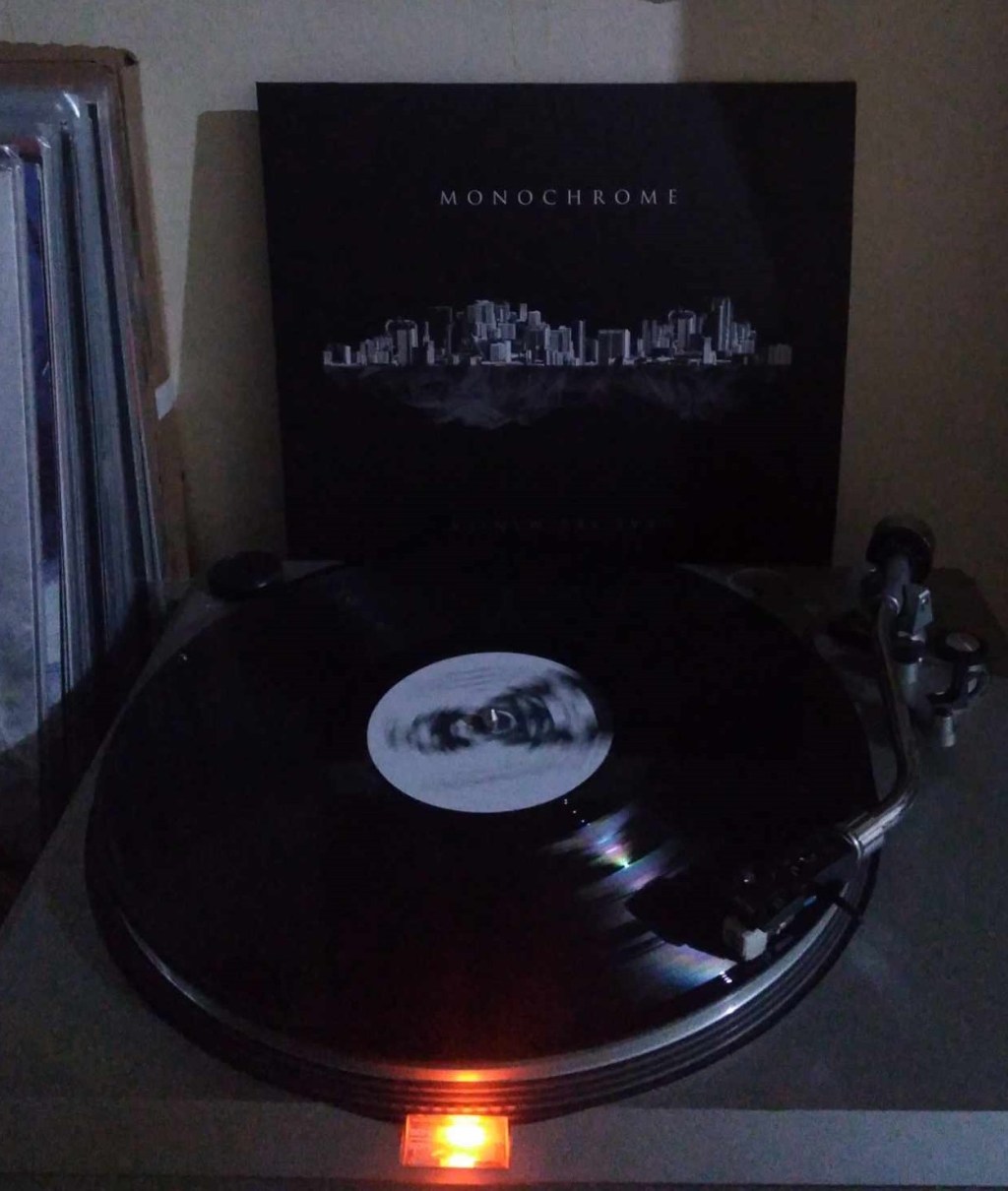
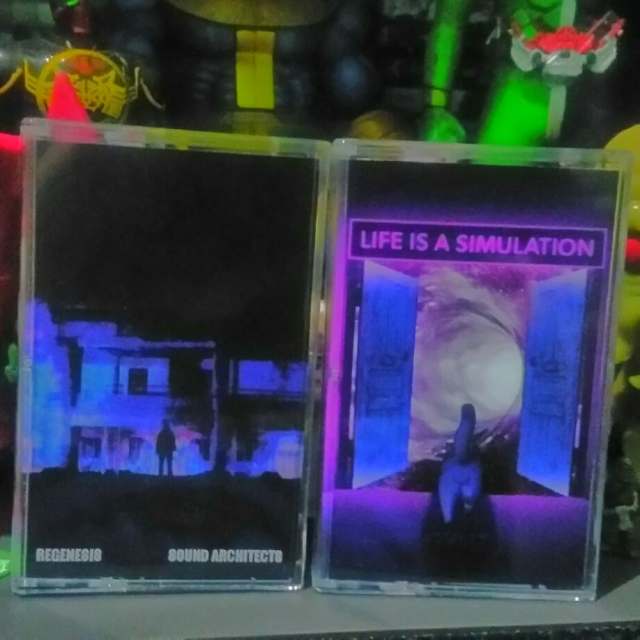
For the past few years, the vinyl record and even the cassette tape has been resurrected, with sometimes better quality than before. Industry sales and growth increased significantly and production of vinyl in the modern times is much significantly higher. Even CD’s are still selling at a steady rate. Turntables and more traditional music playing equipment are the rage. Bands, musicians, artists and record labels are now also pressing vinyl along with downloadable formats.
But that PDF file of the artwork and lyric sheet pales so much in comparison to a twelve inch format with the booklet and packaging. One can see and also feel the actual artwork and information in a bigger and clearer format that can be appreciated properly.
The same industry has also been trying to marry both these two distinct schools of thought as well. A majority of vinyl records these days automatically includes high quality music file downloads on top of the actual album. Some even contain a CD ready for ripping to the buyer’s digital player. Although more expensive, it is the best option to evolve and work with the times in order for the music industry to survive: to use both formats and maximise each other’s strengths and combine them.
There are three things to come out of this, and it all benefits this generation and those to come next: The analog or old school platform with the more superior quality and tangible format continues to live on for more discerning music fans; the digital format continues to be used extensively for its many conveniences, and lastly, the present and upcoming generations will get to enjoy both, regardless of formats, and use them equally and regardless of the format, the real focus will still be on the music itself.

 Towards Harmonious Civilization Zine
Leave a reply to The Top 3 Digital Music Formats: Parallels of Sound – Towards Harmonious Civilization Zine Cancel reply