


by: COMMANDER ENTERPRISE
(CD rot photos from the collection of R Ibanez)
CD Rot is a nightmare for CD collectors and audio enthusiasts. Back in the 90s, people started ditching vinyl records and cassettes for the more popular, slightly cheaper, and very handy compact disc. There was even a quote from some music magazine stating “Cause CDs are forever”.
However, some of the CDs pressed in the 80s started showing some problems in the form of terrible CD rot from the inside.

In its beginning stages, a compact disc with minimal CD rot won’t skip or show any audio signal interruptions, and if there are, it would be barely noticeable. But as the rot progresses, the listener will notice small skips or missing pieces of audio, and it just progressively gets worse from here on.
Meanwhile, vinyl records and tapes older than the CDs would sound just fine. So much for the CD vs vinyl arguments.
What are the main causes of CD rot, and why do some CDs rot and others don’t (hopefully not)?
Top Causes of CD Rot
CDs have a main data layer inside that holds the music, and when exposed to the elements, will trigger the beginning stages of rot. The underside part that is read by CD players is composed of a thin layer of lacquer or plastic, followed by the data layer, and another lacquer layer on top. This upper layer facing the holder of the disc is either coated or uncoated with printed inks and artwork on the CD face.
This simple plastic and organic sandwich of a disc is vulnerable to different elements that can easily corrode and oxidise the inside data layer. Once outer elements find their way into the data layer, the beginning stages of data layer corruption commence. Both the top layer and lower layers can easily be damaged by deep scratches. Even the top layer can become damaged and can become an entry point for contaminants.
The readable media inside is apparently organic and is made of dye (for burned or rewriteable discs) that contains the data that is read by optic laser. But most standard commercial discs use an aluminum layer within. The rarer gold disc may be tougher and more durable, but that doesn’t mean it’s spared from the oxidisation onslaught.
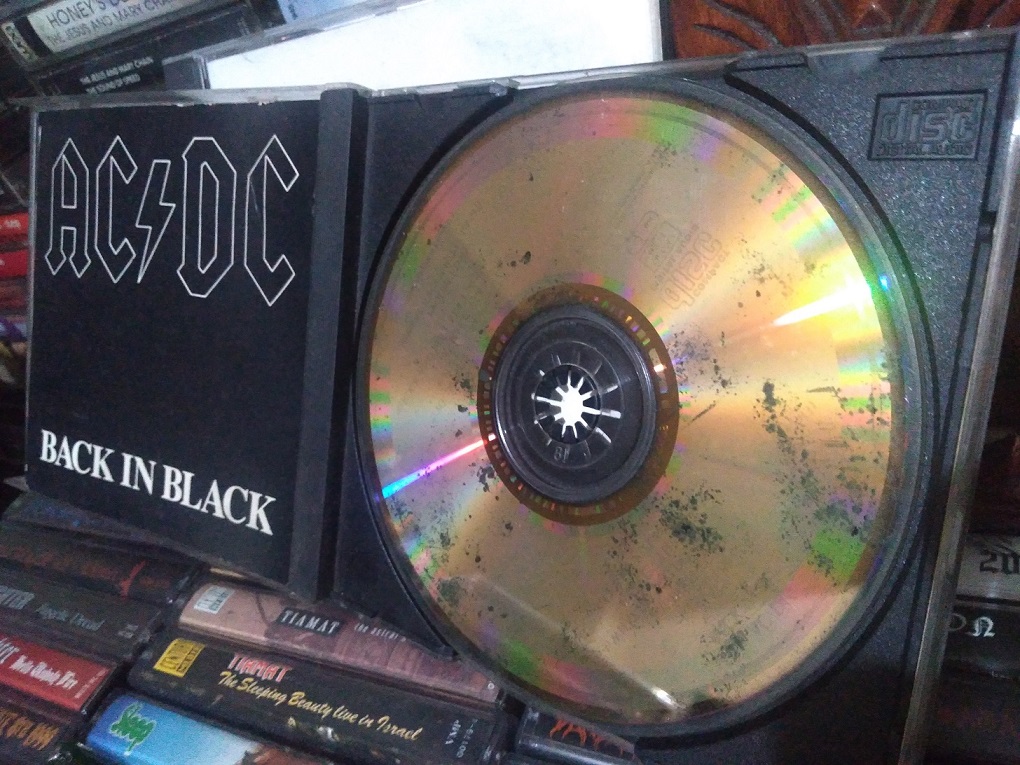

In some cases, moisture that infiltrates the aluminum or dye can develop mold, and can also render it unreadable, with mold spores eating up the data layers away. Even moisture mixed in with your fingerprint smudges and left on the disc surfaces can lead to mold that grows and penetrates through the polycarbonate as well.
Regardless, all types of data layers are prone to deterioration from oxygen, moisture, or other common contaminants or chemicals. The layer of lacquer or plastic polycarbonate substrate is prone to water damage and surface damage, and it can enter all the way through the data layer, triggering oxidisation.
The Beginning of The End
Signs of CD rot mainly come in the form of pin-sized holes viewable in light. At first, it may not have any noticeable effects on audio quality. But it will soon produce small pops in sound, or small audio gaps as the laser optic readers start encountering more and more blank audio spots to read.
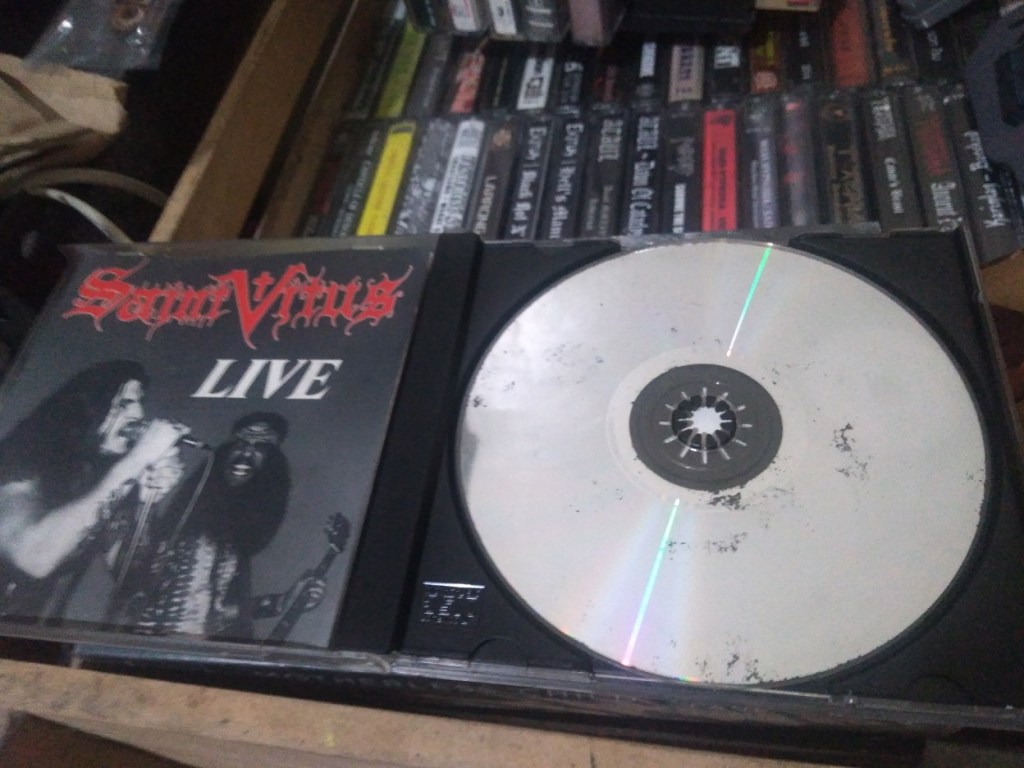
Some forms of CD rot may appear in the form of either clouding or unclear parts of the disc that look like turbid vision, or bronzing, which looks like darker, discolored continents. These soon corrode and destroy data, resulting in major unreadable parts that can produce huge skips on your CD players.
Some of these CD rot manifestations will start from the inside circumference. Others will have clouding, bronzing, or “breaking off” from the edges of the data layer, and it will eventually spread towards the inside. The sound of skipping and skipped audio is the sound of regret, disappointment, and direct face punching. Goodbye precious Nickleback CDs (ha).
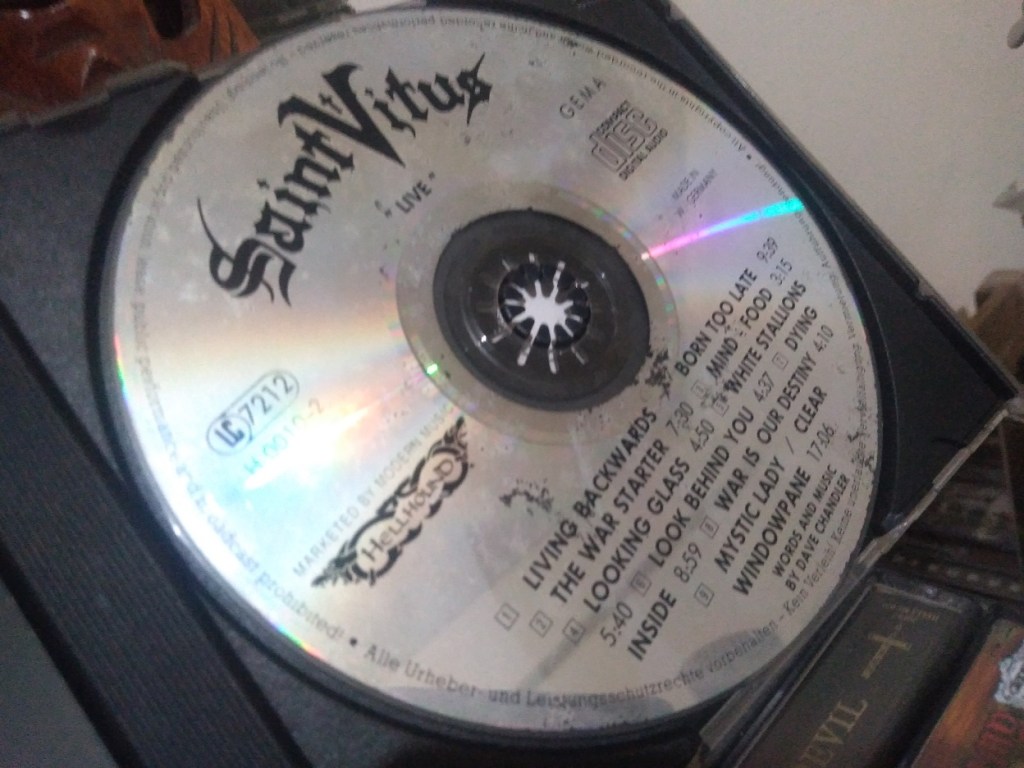
Constant direct sunlight and high temperatures are also the main causes of CD rot without direct contamination or intrusion into the data layers. They may not cause direct oxidisation or damage, but can exacerbate any beginning stages or cause light intrusion from very small scratches.
Holding the data side of your discs may add to the damage when slight moisture is left on the actual surface. Any type of moisture can affect the plastic or lacquer surface, and when it penetrates through the material, can open access to the data layer inside.
Proper Care?
Carelessness is one of the main proponents of disc rot. Unfortunately, many people (read serious collectors) just don’t give a flying dingbat anymore to proper care of things. Just like vinyl, you don’t hold any part of the readable data side, and you need to handle it with clean, dry hands and fingers.
Also, there’s a reason why the CD album you bought has a jewel case, digipak, or even cardboard sleeve, or some holder of some sort where you place the CD back immediately after use. Placing it elsewhere after playing can expose it to different elements that can start the rapid deterioration of your favorite album.
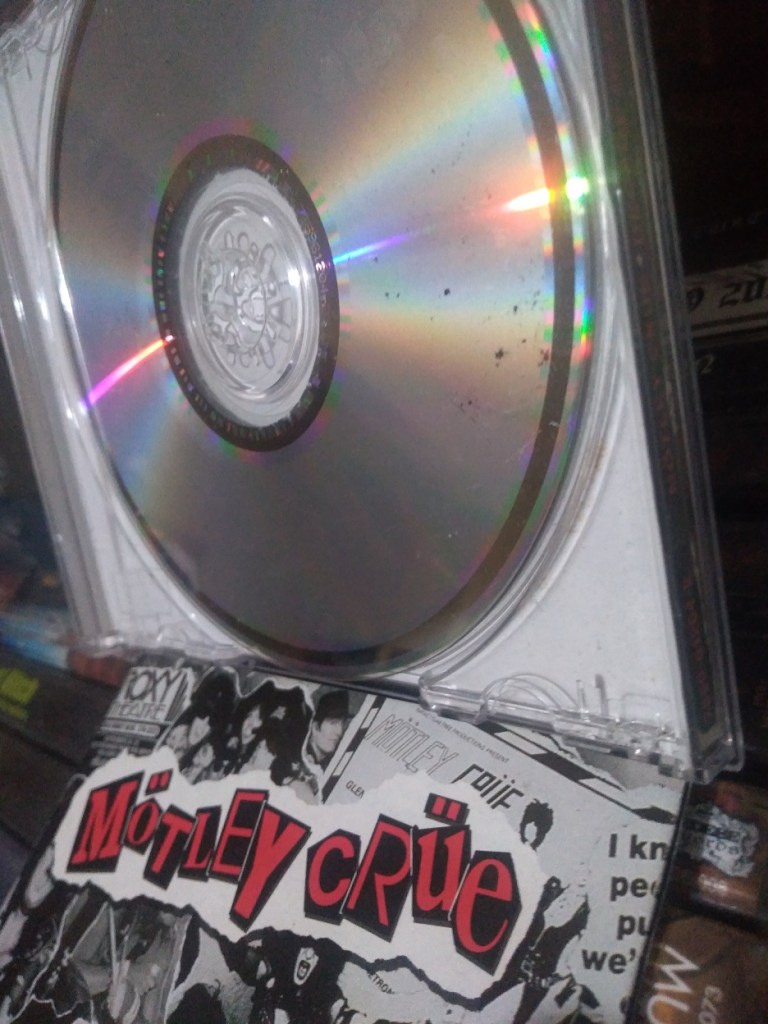

Those of you holding your discs with moisturised hands from oily snacks, or from your beers will eventually cry when your fave CDs start rotting from the inside (bonus points if it’s your favorite death metal or goregrind CDs). Alcohol may help with cleaning a disc since it evaporates quickly, but it can damage the printed top surface, which when damaged, will also lead to intrusion, and eventual deterioration.
Improper storage also has its charms as the oxidisation molecules start their attack in the micro world. Too much moisture and humidity in your home can soak your CDs in a constant wet air bath and eventually cause CD rot as well. This is why proper storage in a dry area with balanced temperature and controlled humidity is important.
So you think CDs are forever? Here’s the longevity analysis of CDs and DVDs.
Want to start one of those streaming and digital vs CDs and vinyl arguments with another old fart on this zine? Check out UF7’s article on streaming vs physical media.
Do you laugh at nerd analogue collectors who only seemingly listen to vinyl and tapes? Is streaming and digital audio more invincible than physical audio formats? Check out our digital music article here by UF7 again.



 Towards Harmonious Civilization Zine
Leave a comment