


By: COMMANDER ENTERPRISE

Does anyone still remember?
Yes in case you’re wondering, Dial Up Internet still exists. It’s preposterous to think they’re no longer around, but you see one in action and it just makes you feel ancient and obsolete.
After all, broadband internet splintered into subcategories and different plans and speeds years ago. People have generally gone for something more modern, faster and more efficient than something that loads several times slower and requires dialing an actual analogue phone line to connect. It’s synonymous to aol.com and MiRC chat if you think about it, which are almost 35 years old now.
But yes, dial up is still around. Some people just prefer them than advanced internet technology. Let’s revisit the dial up then, and its “unique” features.

Dialing through the years
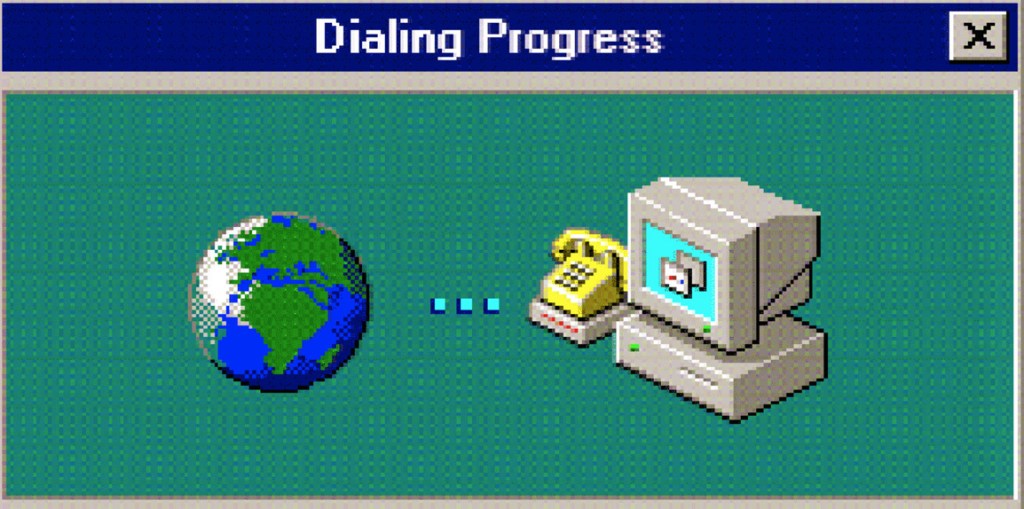
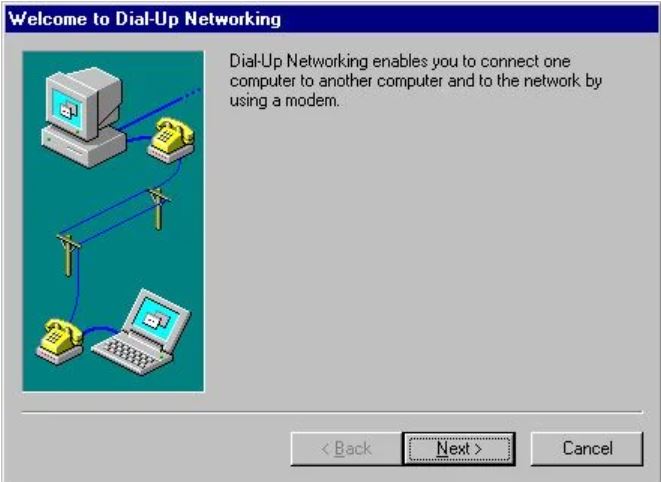
Dial up is a type of internet connection that uses PSTN or a Public Switched Telephone Network to connect to the ISP (Internet Service Provider) through an actual phone line. A modem filters data to and from the computer and the ISP.
The connection activates by dialing to the ISP number, connecting through a series of beeps and noises. The account holder uses a password and login name to establish authorisation and connect. Maximum speed is always going to be 56Kbps or lower, no matter what, but depending on the phone line connections and other possible dialup users. Stress on the word “other”. Today that’s unlikely, but in the late 90’s this might have been an issue.
Unlike broadband DSL, you cannot use the phone line independently with the internet connected. It drops the connection as soon as you pick up the phone. It has to use the same single connection transferring the data to make the call and transfer audio signals to another landline phone, that’s why. Unlike later formats such as ISDN that uses one connection for both voice and data. Broadband is directly connected with no logins or authentication needed.
This is basically what we can pretty much sum up for dial up. There might be a few minor, additional information, but this is basically it.
There were illegal developments in its later days, such as hacked passwords and logins from MiRC chat sites and elsewhere that barely made it as cybercrime, before the wave of hi-speed broadband left it like a burned memory. Seriously, hacking a dial up connection to connect for a less than 56kbps connection seems ridiculous now.
Dial Up, Today
Most dialup services still available around the world exist solely because of either A. the location is remote, and there are no existing other telecommunications facilities to use, and B. the users actually prefer it and don’t need or want a faster and more modern broadband connection.
Many remote and rural areas still don’t have fibre or even ADSL wiring facilities and hubs. Many do have the ancient PSTN connections and are still in good shape. Some also do not have any wireless or remote wi-fi access. They don’t have any other choice and use the only available resources.
And then, there are the very few minority who also have none of these modern facilities and/or prefer the format and nothing else. For some reason, a maximum 56kbps rate is already good enough, despite only needing the additional bucks to get fibre or more advanced broadband, whichever is available.
Many telecommunications companies still provide the service, albeit with almost zero new signups, only existing (OLD SCHOOL) customers still using it and paying for the service, along with a few bonuses such as webmail and sometimes a separate (!) phoneline.
Hail and Long Live (?!) Dial Up, the true last living legend and internet technology dinosaur who refuses to die and belly up in the modern world.
+++++++++++++++++++++++++++++++++



 Towards Harmonious Civilization Zine
Leave a comment