


by: BOMBTHABASS333
(originally appeared in the last version of THC Zine 3.0)
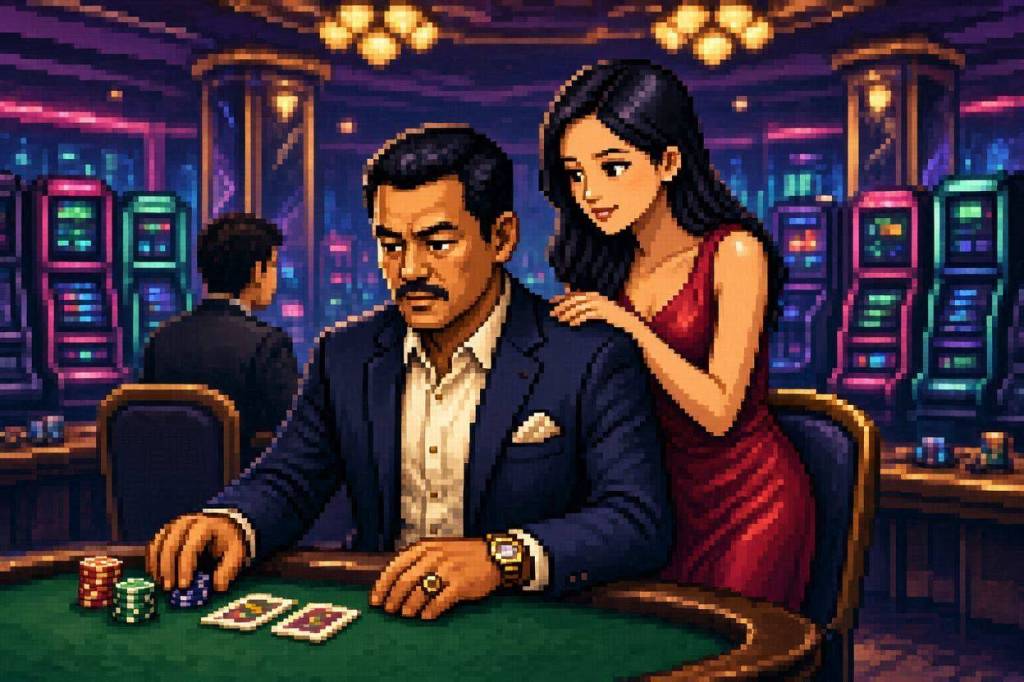
Gambling often leads to unhealthy behaviors. Out-of-hand gambling will eventually cause major issues that are difficult to contain. It’s hard to get rid of it, though.
Many enthusiasts use gambling as an escape and a hobby, and it provides pleasures and thrills that become addictive. Players don’t even need to win to get hooked.
It’s Addicting: Serious Gambling Feels
Gambling for fun isn’t bad per se. But too often, people want more out of it. Its high-risk rewards and thrills match certain personality traits, and the never-ending obsession to get back big cash, as much as possible.
The most serious issues resulting from gambling are the early establishment of the habit, the serious connection of the pleasure reward system in the brain, the habit formation that becomes difficult to cure, and the huge monetary losses for the pleasure and thrill it gives.
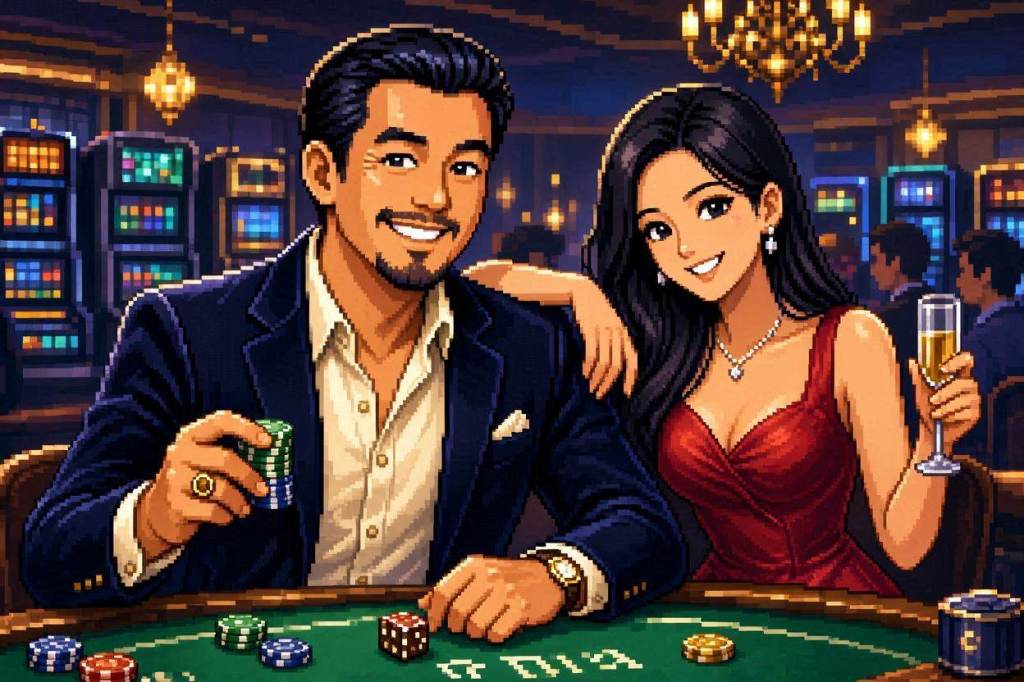
More importantly, everything about it provides the same dopamine rush-the same brain reward state when it hits pleasure centers in the brain by good drugs or unlimited power.
Gambling also has the added adrenaline high of competing. The thrill of success and taking very slim, death-defying chances gives an amazing feel for thrill-seekers with deep (virtually deep?) pockets. And the rewarding quest of winning, of course.
Sometimes the chase is better than the catch—the money is just a token. Getting lucky with the hustle, and winning feels even better. Our brain always wants to replicate these feelings. Which leads to a serious gambling addiction.
Gambling triggers to consider:
- Bad influences (family members, friends, environment, weak will, starting young)
- Boredom
- Lack of interest in regular activities
- The lure of targeted advertising and marketing
- Easy access to online gambling (phones and apps)
Gambling Addiction: Full-blown
One of gambling addiction’s main causes is the euphoric state. The gambling habit is already hardwired into the brain’s natural opioid reward system, according to research tests in London presented at the European College of Neuropsychopharmacology conference in Berlin in 2014.
The brain has become trained to reap the rewards. It can’t say no to a dose of good old dopamine every time you play and win. It’s being regulated by our brain system too.
Another mental state stimulated by gambling is the megalomaniac competitive edge: Every time you beat someone with your gambling skills, the stone-cold confidence in making the bet, or just knowing you have the winning hand.
Then, Covid 19 encased us in solitary confinement. But not the gambling addiction—and gambling feels good. It returned even stronger and more addicting.

Covid19-Era Gambling
The mental health aspects of gambling are not often discussed because much of it lies beneath the surface. One of the serious concerns is gambling addiction, now an even more complex problem worsened by the pandemic and its lockdowns.
If we don’t keep gamblers in check, it can cause serious dilemmas.
While the pandemic caused a suspension for most forms of gambling, it never fully went away. Online gambling surged, and then stayed, much to the dismay of mental health professionals. After the pandemic passed, it came back in full force.
With physical casinos and betting places either closed or operating with limited capacity, the all-too-familiar extra elements are also gone. Games, races, cash; or hotels, buffets, lavish casino interiors, live entertainment, and attractive people around the poker tables. They no longer graced our senses.
With all these now lost, true gambling devotees found their replacements online. It’s already there; everyone just needed to tune in. Now there are numerous games, apps, sites, and even live-streaming gambling.
It’s easily accessible and convenient on phones and computers: Private, easy to use, and cheaper too. Somehow it teleports us to those favorite places.
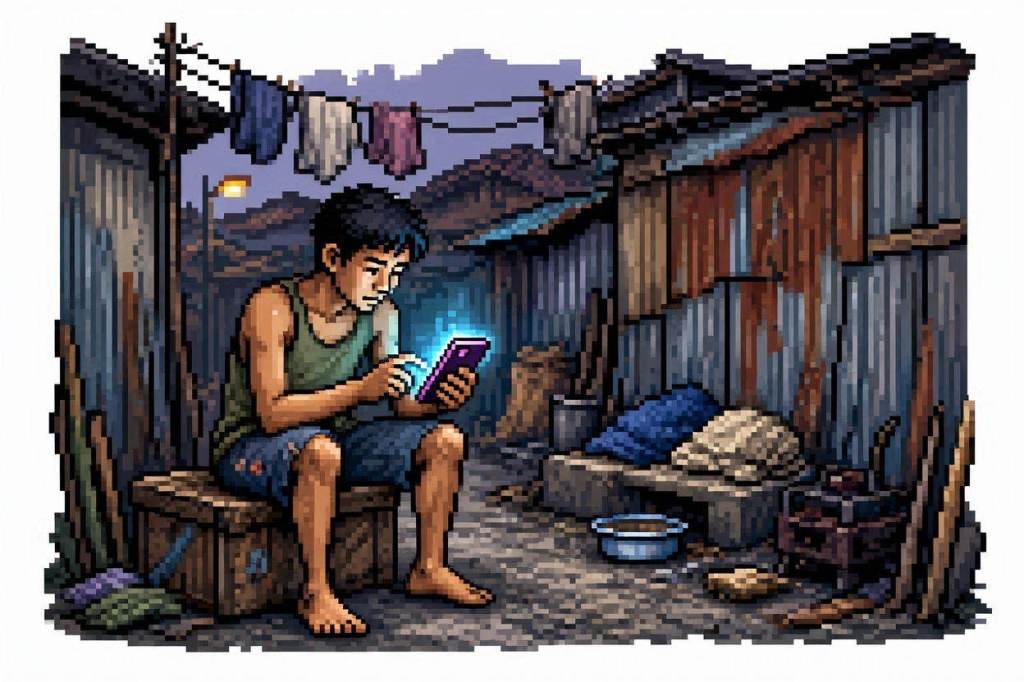
Pilipinas: A Poor Nation Hooked On Gambling Thrills
In the Philippines, the previous Duterte government gave tax-free, unregulated freedom to gambling sites to predominantly Chinese Philippine Offshore Gaming Operators (POGOs).
Despite the current government phasing out dominant gambling operations in 2024 and passing the Anti-POGO Act of 2025, it is still rampant. The online gambling trend became even stronger after the whole world returned to normalcy around 2022.
One of the latest trends among lower-income, unemployed, and poor is easy-access forms of gambling. It’s made more complicated with addiction to meth and alcohol, plus additional factors in mental health, such as ADHD, depression, and coping with boredom, with disastrous results.
That drive to enjoy instant, accessible thrills with the promise of big wins is a major attraction for many Filipinos, of all economic classes.
More importantly is the depletion of money, whether it’s from the meager salary, cash funded by employed relatives here or from abroad, or welfare money or “ayuda” of the 4Ps (Pantawid Pamilyang Pilipino Program) from the DSWD or Department of Social Welfare and Development.
There have been cases over the last few years of Filipinos going broke, getting under serious debt, ransacking their family’s money, or worse, resorting to petty crime to finance the habit, pay their debts, or both.

“Scatter” online gambling is even bigger than ever and more private, existing on many phones of low-income and middle-working-class to even poor and unemployed gamblers. It doesn’t even help that celebrities recklessly endorse these types of online gambling everywhere, thanks to advanced algorithms working behind online activities.
There are also other older pastimes now more advanced and available via online betting apps, such as “sabong” or cockfighting tournaments and also horse race betting, in addition to the actual betting venues: either at hidden off-track betting stations or at the horse race and cockfighting venues.
Of course, there are also the more high-end casinos in posh buildings and large establishments. Those in the upper economic classes also continue to chase the thrill of huge wins.
Dealing With Gambling Addiction
Online and regular gambling affects the mental health of these main participants, both regular gamblers and new gamblers, many of whom started gambling due to the isolation of the pandemic.
A lot of online hardcore gambling sites don’t even need the dark web. It’s out there in the open. Everyone has access: even non-gamblers, kids, and senior citizens. They are also prone to excess and making mistakes if left to their devices.
Trying to win back losses or wanting to repeat the experience makes people cycle ad nauseam, and subconsciously. At this point, stopping is not an easy option. For those who have become excessively dependent on it, they need help.
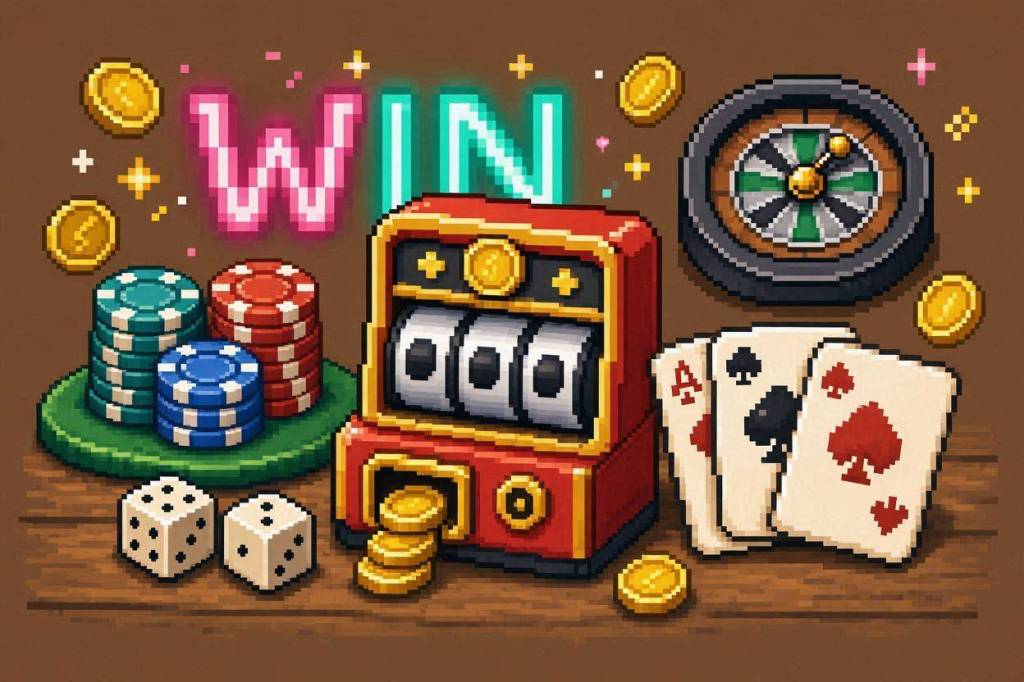
Stopping may only apply to extreme cases. In that case, the person has to admit their (virtual) gambling problem before the effects become serious, unhealthy, and impractical, so they can accept help more easily.
Sometimes the gambling habit is a reaction or escape. There can be more serious mental causes as well. By helping to control it without conflict with the person, we can help them better.
From here we can agree on a few changes, so the gambler’s mental health becomes balanced:
- Lessening the habit.
- New and old hobbies. Replacing gambling is difficult if not impossible.
Recreating the same feelings and level of playing is not. - (Rules and) Regulations – Allowing some harmless and expense-free gambling or betting
- The Money Argument: Not only is gambling bad for mental health; it is not good for the wallet as well. Offer the choice of going broke from gambling or playing other games without a money problem.
Ultimately, it’s all about balance. Unless the person asks for help to stop, we can only help them control their activity. The goal is to reduce the harms while allowing them the freedom to gamble or play in non-harmful ways.
 Towards Harmonious Civilization Zine
Leave a comment